Stockholm and Beyond

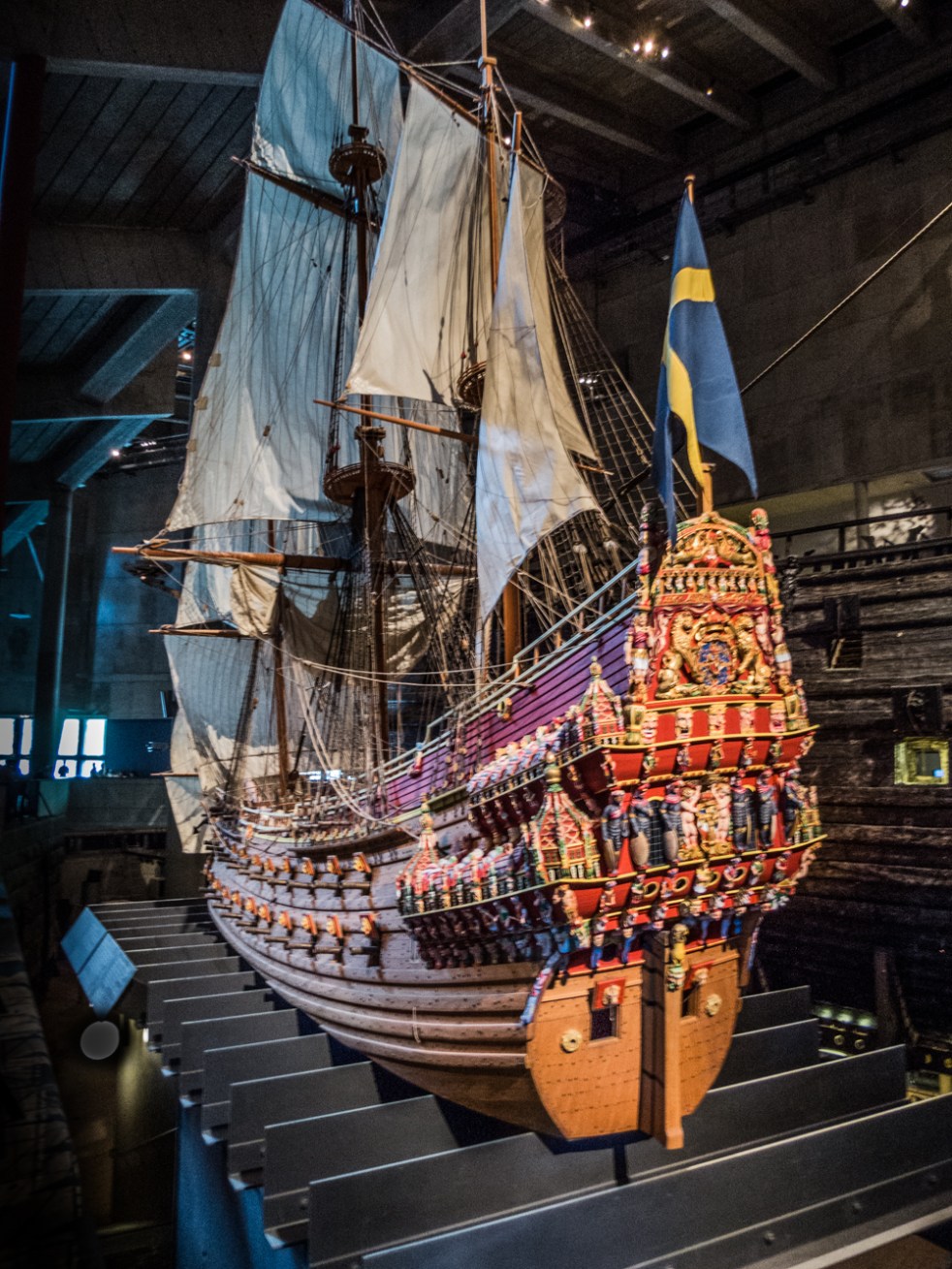
Sweden didn’t get our fair share of attention, but such is the case on tours when there is too much to see, and too little time. In Stockholm, the Vasa Galleon museum was an outstanding place to spend a few hours; it’s one of Sweden’s worst and best stories. The galleon, carrying 64 cannon and 300 men, sunk in Stockholm’s harbor a few minutes into its maiden voyage in 1628, and remained on the seabed until successfully raised in 1961. The galleon model is shown emblazoned in full color as it would have been on sailing day, and the actual ship, almost wholly preserved along with its sculptures and ornaments, is an amazing sight.

sweden-79


sweden_366_160823

sweden-91

That wonderful country offered us other treasures as well. The tiny town of Sigtuna, once a Viking capital, now has Sweden’s smallest City Hall, and the cutest library I’ve ever seen.

sweden-119sweden-124

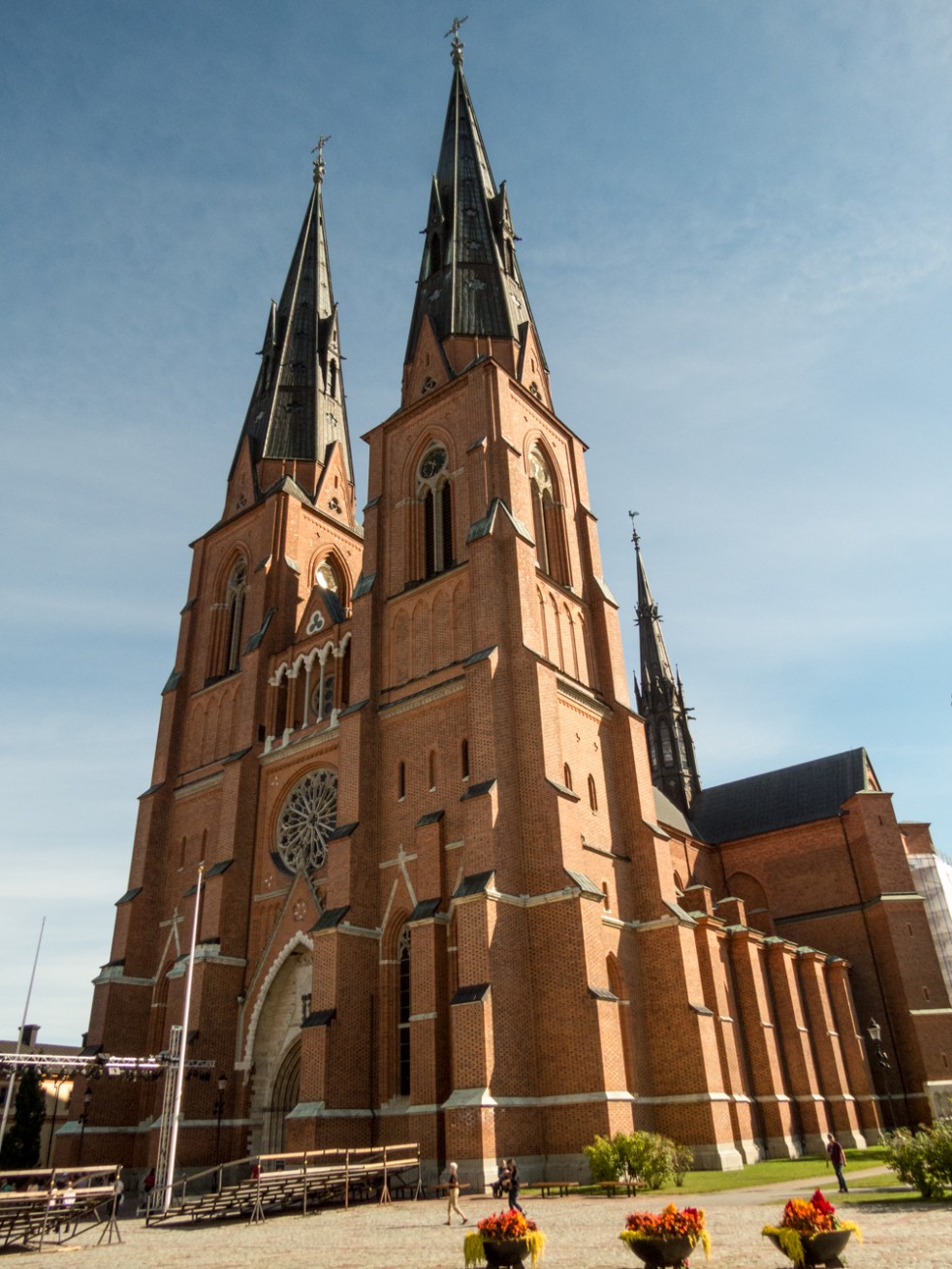
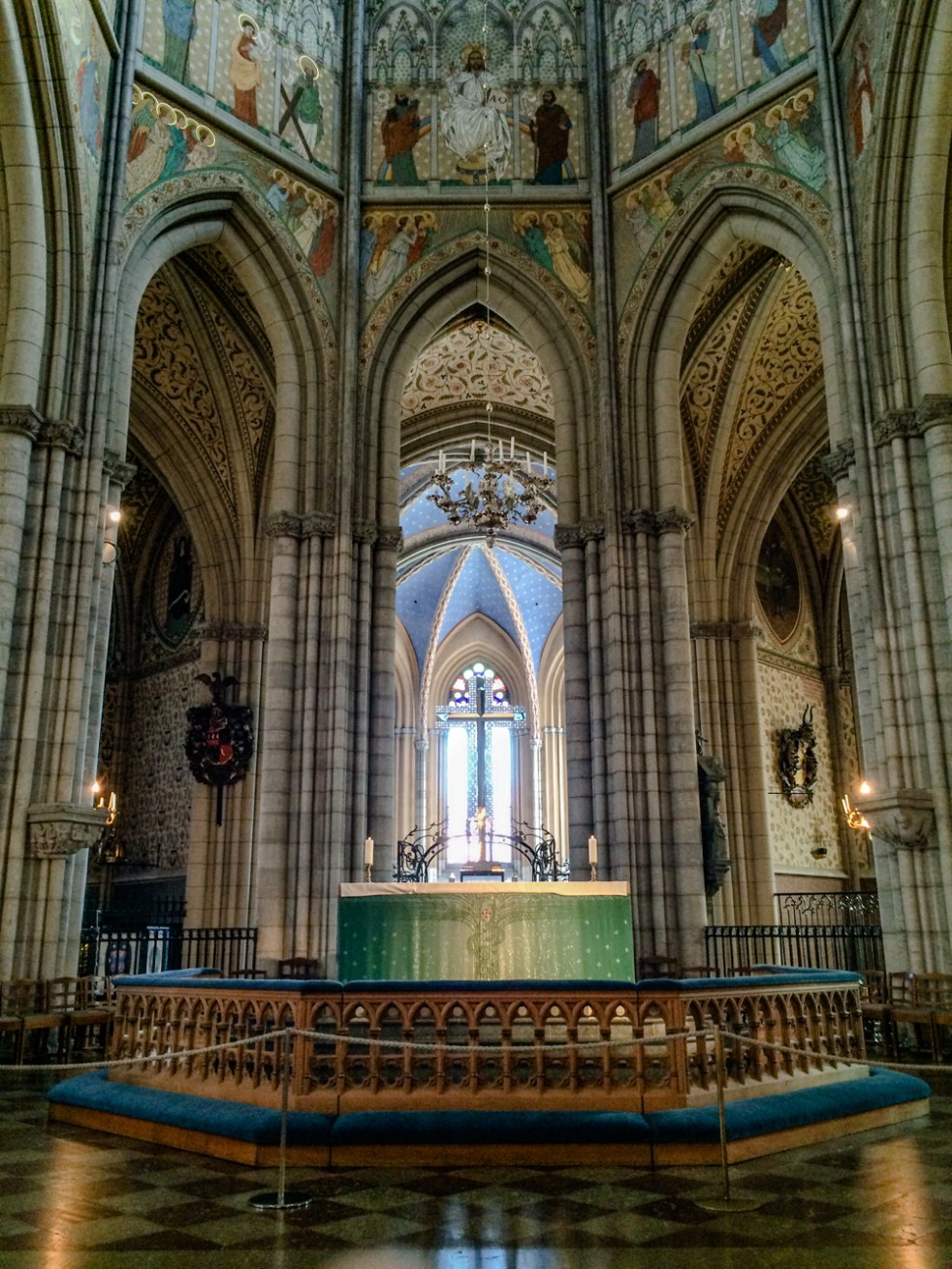
Uppsala, which is home to Scandinavia’s oldest university, has an astounding cathedral where Swedish kings were crowned.

sweden-128

sweden-144

Sweden-140.jpg

The village of Nusnas produces the Dala horse. First carved as toys during long winter nights and decorated in the familiar Swedish red color paint-pigment from copper mines, they became so popular as to become the unofficial symbol of Sweden. Still hand carved and painted as cottage industries, towns are known for their colors and styles of horses and animals. What child or adult could possibly resist them!

sweden-168sweden-171sweden-158

On to Sweden

Sweden_367_160825.jpg

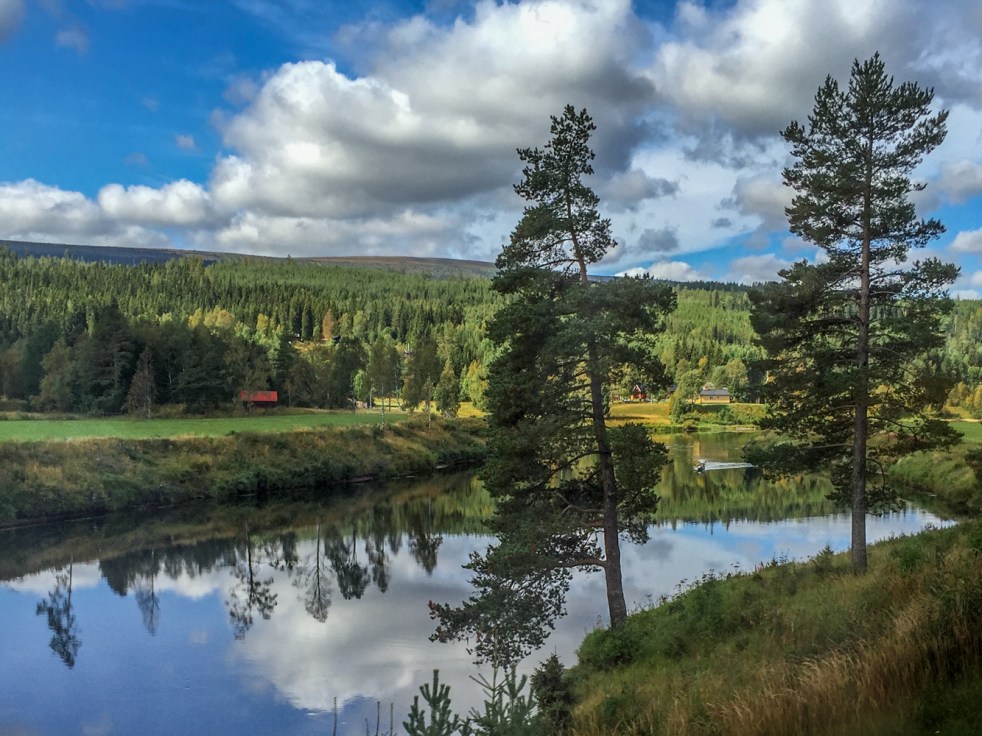
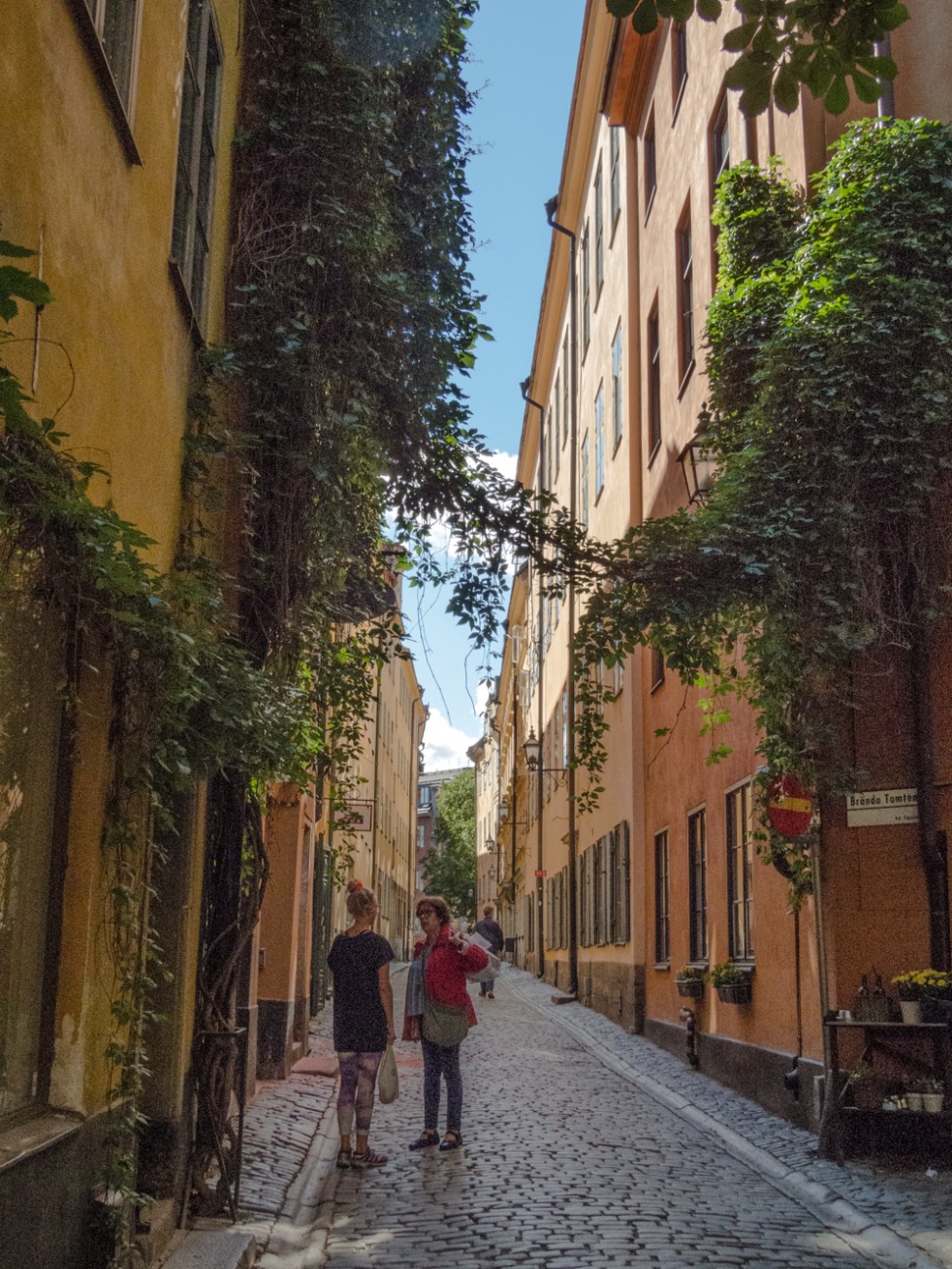
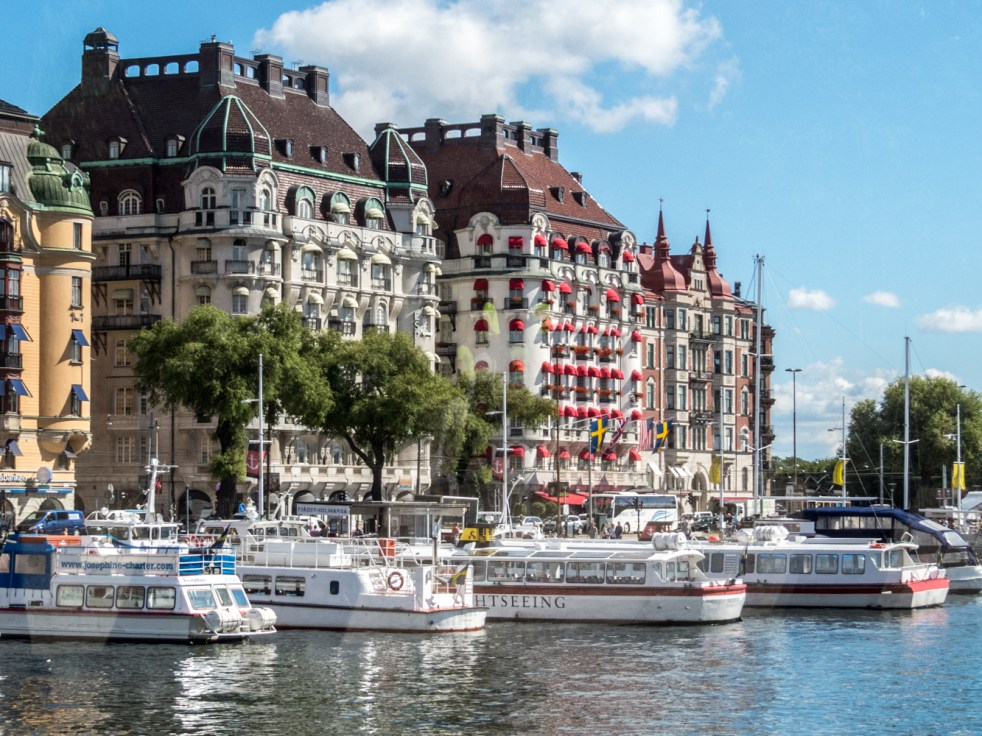
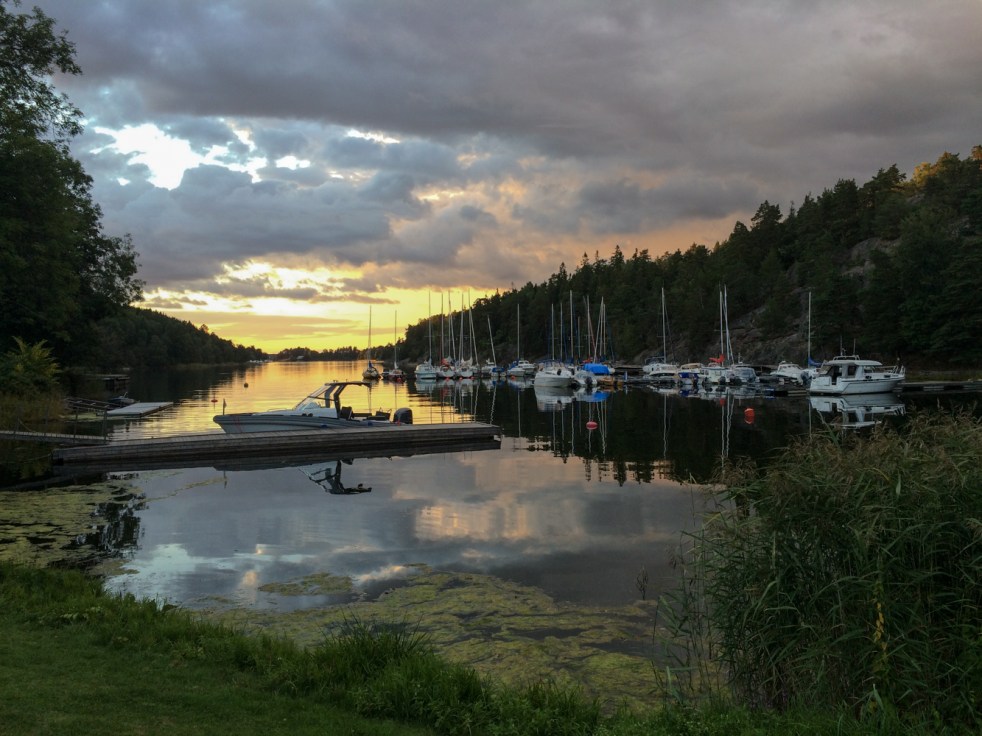
The long drive from Copenhagen to Stockholm isn’t remotely boring; it’s bucolic. The rolling hills and farmlands introduce a landscape of forests and lush green fields, dotted by barns and homesteads painted in Sweden’s iconic red color. And then Stockholm appears, with one of the prettiest Old Towns imaginable. It has some of the narrowest streets in the world, which open to colorful plazas or lead to waterfront parks. If one is bored with natural beauty (really?), visiting City Hall with its gold room covered by 25 million gilded mosaic tiles should inspire wonder; it’s the site of the annual Nobel Prize presentation banquet. Perhaps an evening boat trip to a lovely dinner location out-of-town will be on your schedule as it was ours; sunset in Stockholm is a very special memory.

sweden-6

sweden-53

sweden-63sweden-40

sweden-75sweden-29

sweden-110

Denmark Beyond its Capital

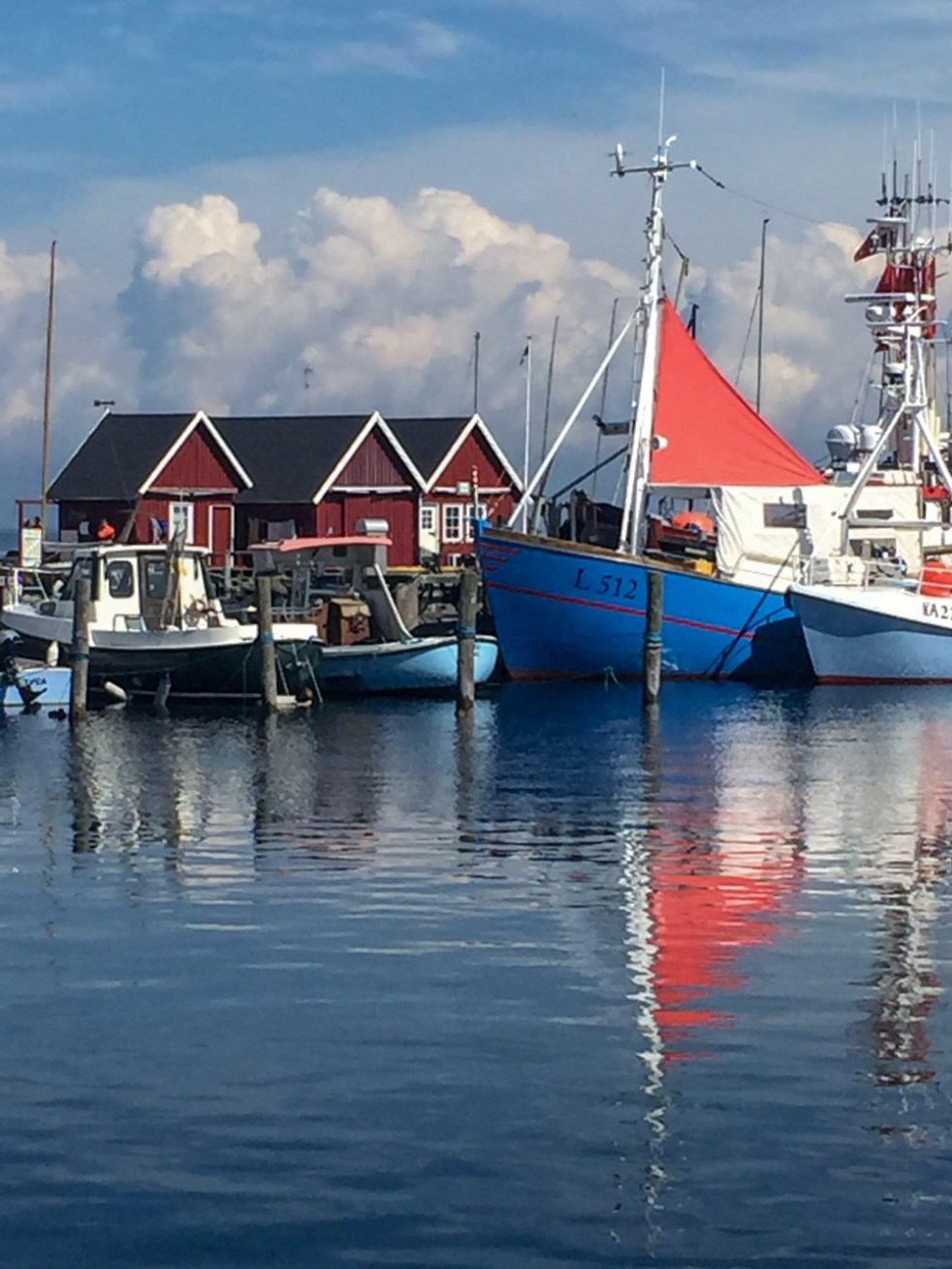
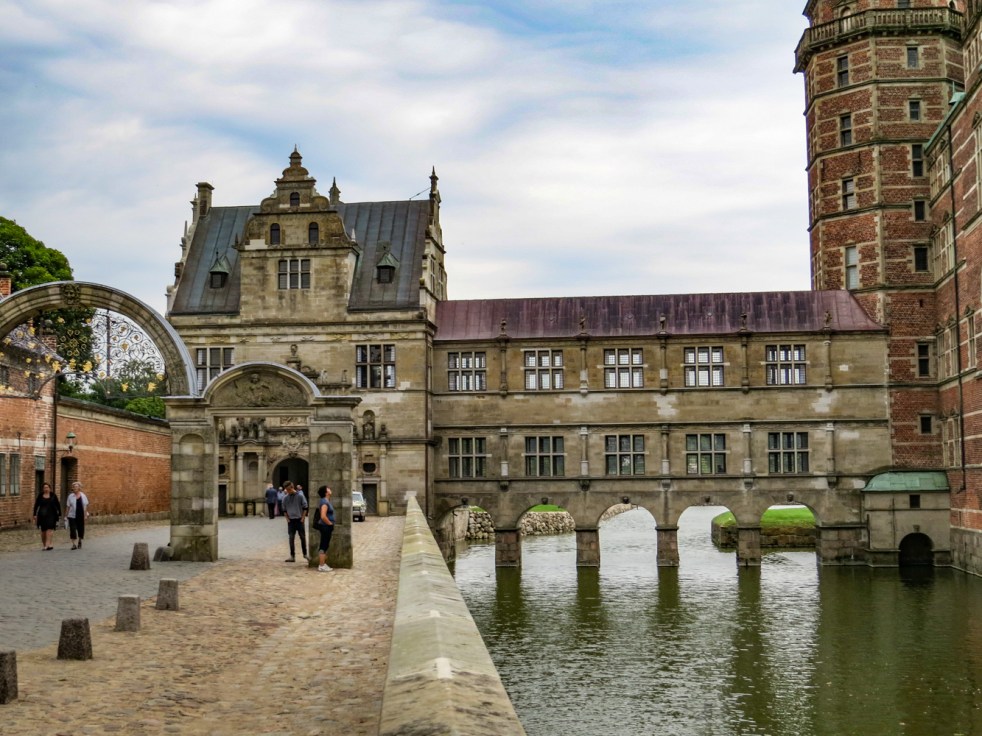
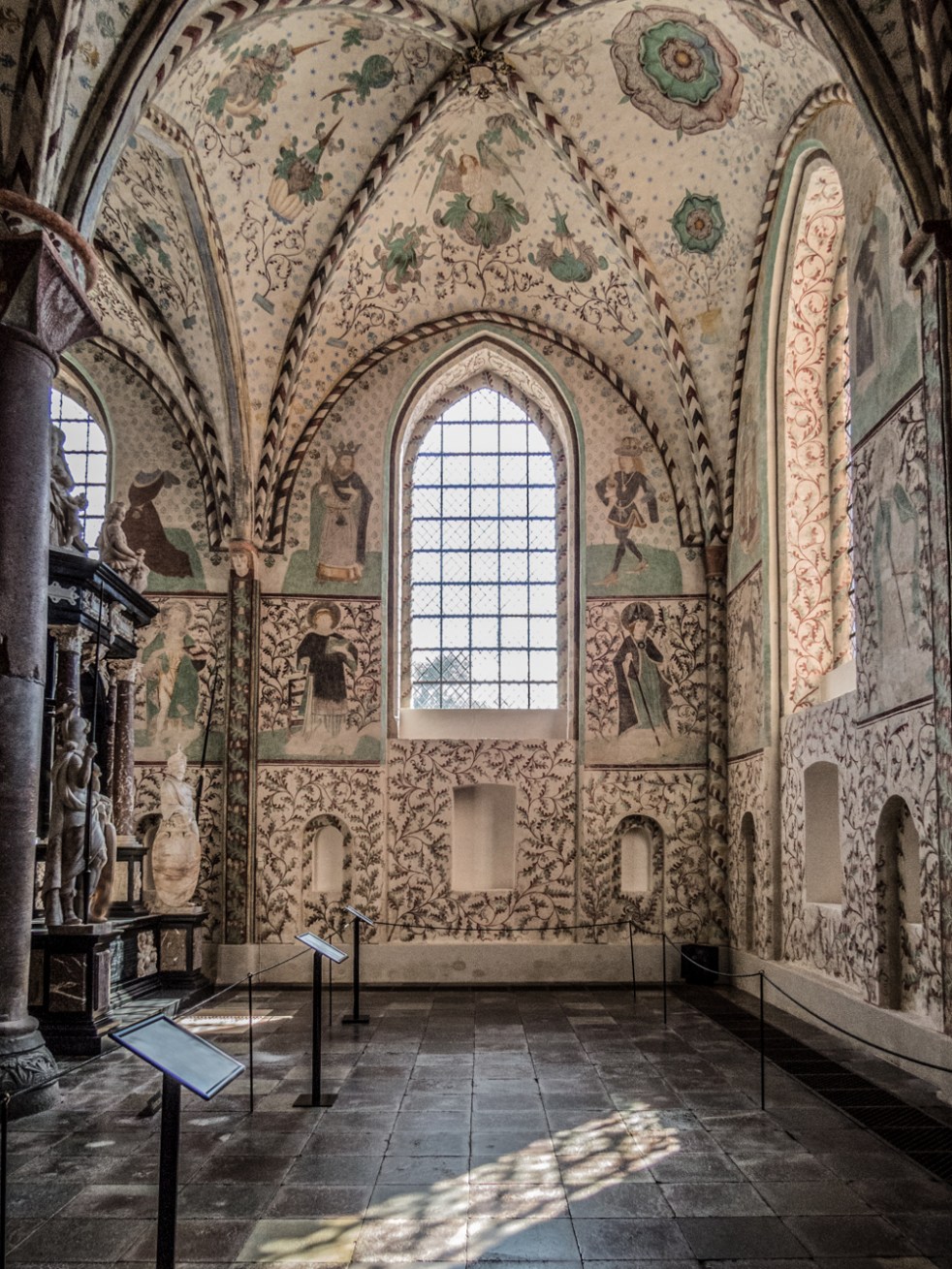
There is much to Denmark beyond Copenhagen, and short excursions from the capital brought us an even greater appreciation of its charms. Whether you’re looking for fishing villages with cobbled streets lined with hollyhocks beside thatched roof cottages, or castles such as Fredriksborg (which houses the Danish National Museum) or churches such as Roskilde Cathedral, (a UNESCO World Heritage site in which the remains of 39 kings and queens are buried), Denmark can offer them all. The country absolutely deserves its reputation for beauty and enviable high standard of living.

denmark-242denmark-177denmark-244denmark-81denmark-96denmark-105denmark-230denmark-206denmark-228

Charming, Cool Copenhagen

denmark-2

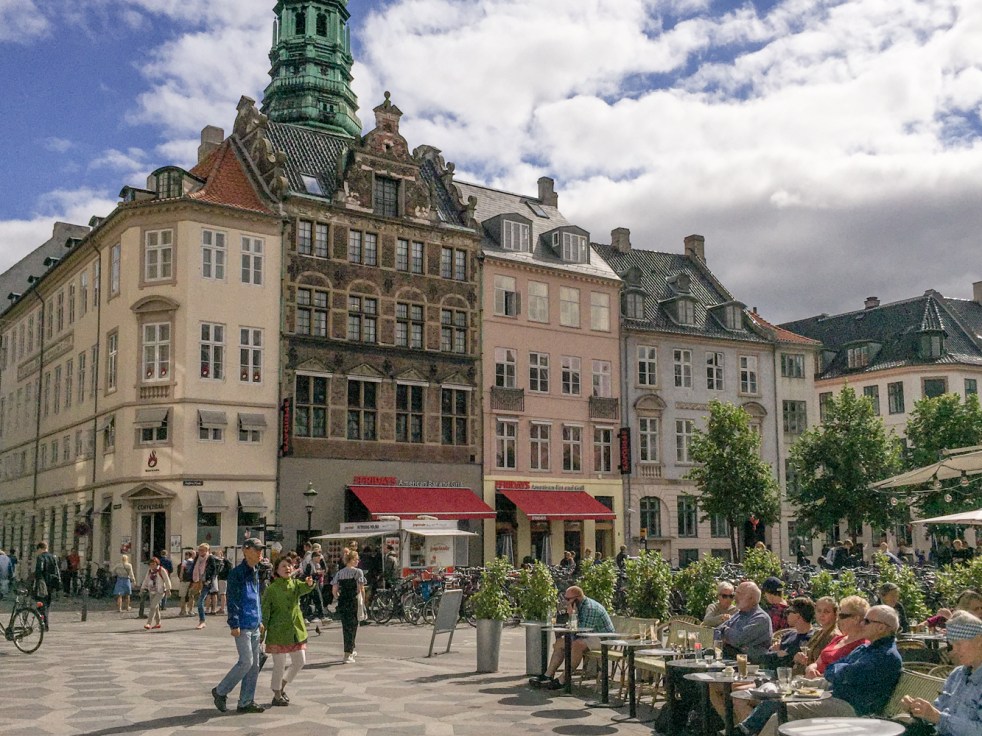
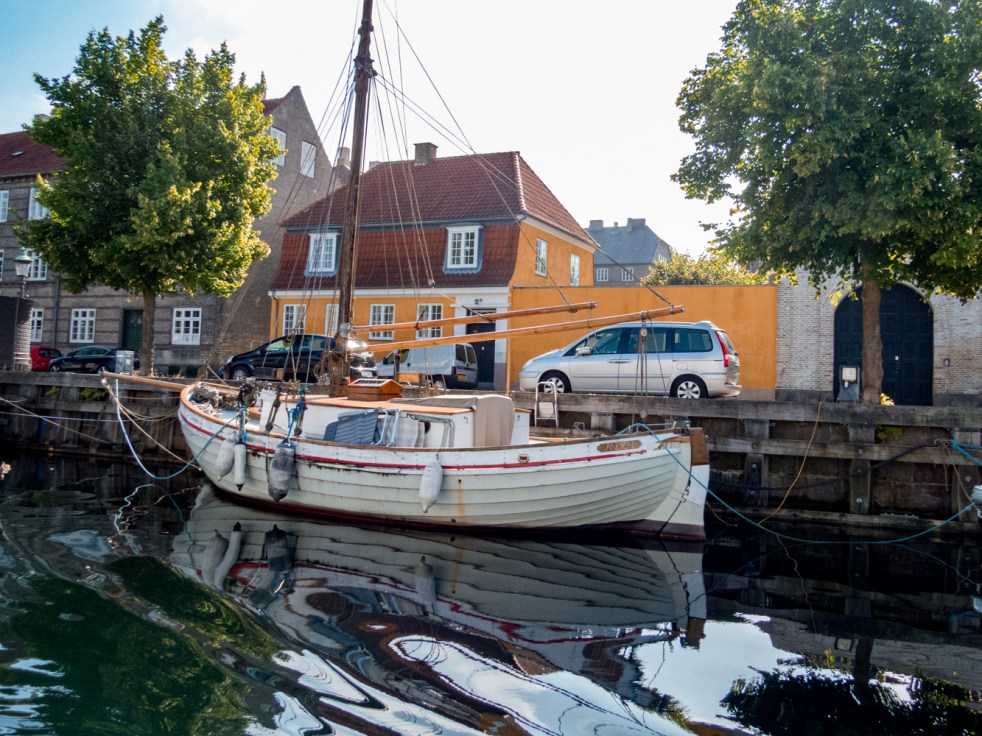
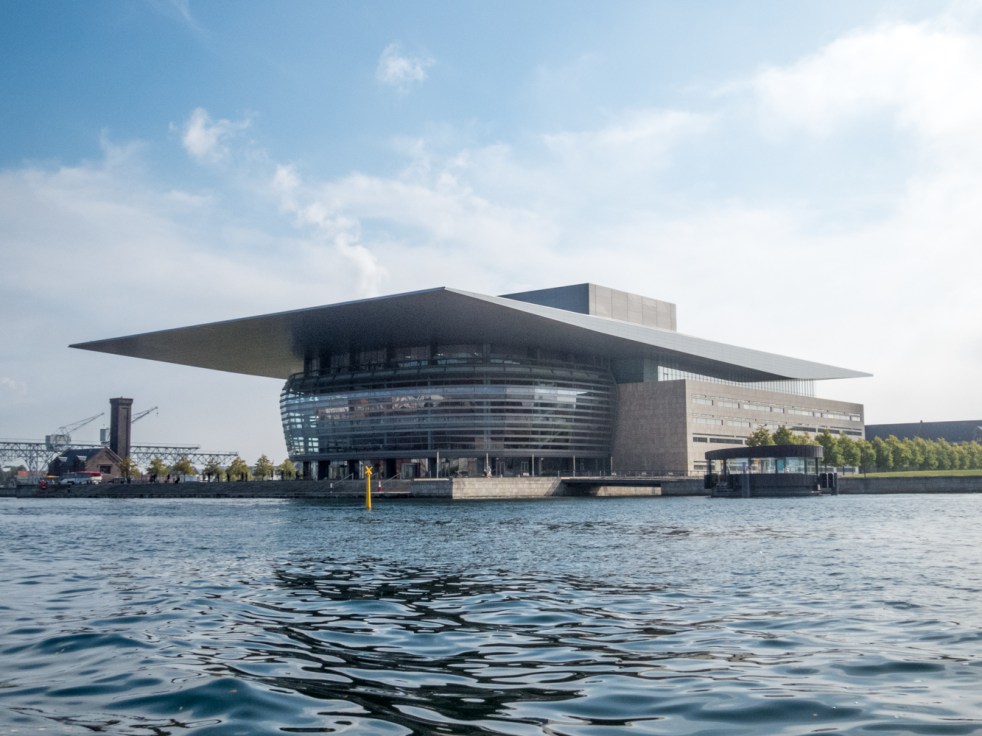
Denmark’s capital city is a wonderful mix of old and edgy. It’s location on an island creates a city of extremely accessible canals, waterfront parks and beaches. Boating, biking and walking are far and away the most convenient and pleasurable means of transportation in an area which takes prides in its high environmental standards (it aims for carbon-neutrality by 2025!) Copenhagen has ranked high in all surveys for “livability” and its citizens claim to be the happiest on earth, in spite of high taxes and general cost of living. It’s pretty, its old architecture is charming, it’s new architecture is exciting (the Opera House is spectacular), Tivoli amusement park and gardens, which opened in 1843 in the center of the city, is a delight, and the city is absolutely cutting edge for cultural and social issues. I completely get it.

denmark-29

denmark-159denmark-167denmark-164

denmark-168

denmark-160denmark-48

We Began in Berlin…

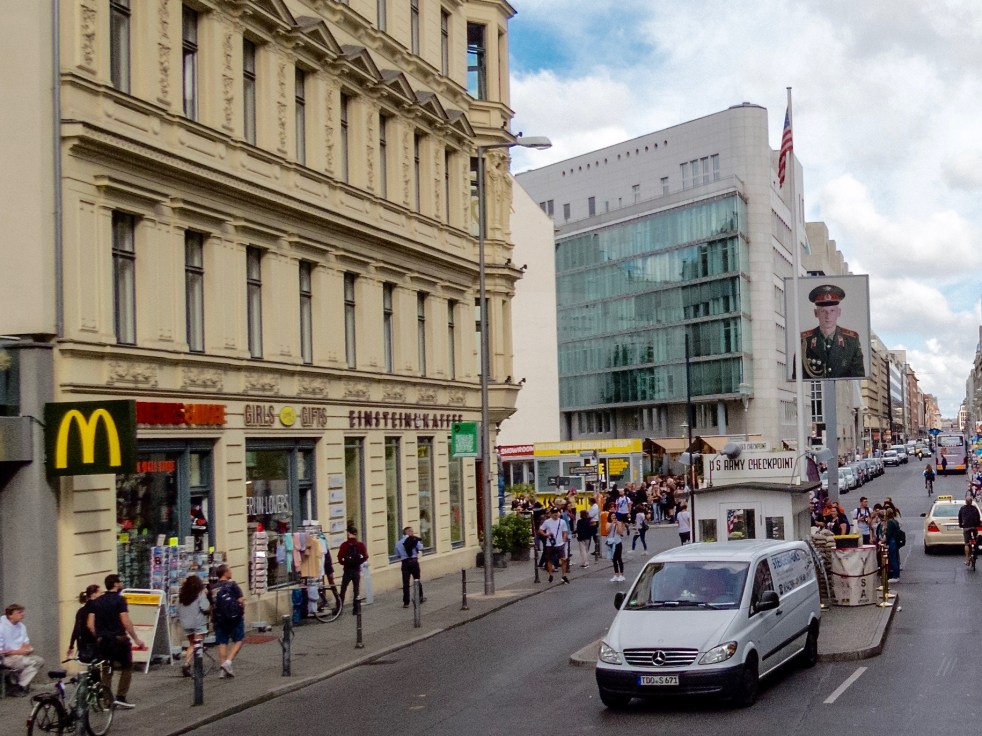
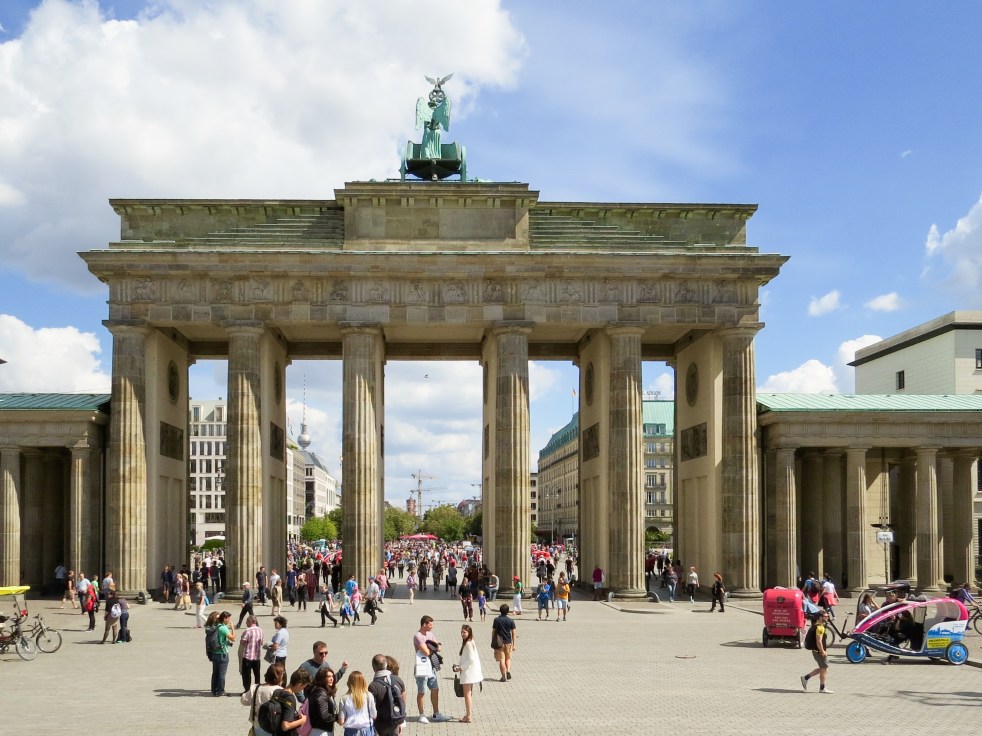
I had been to Berlin in 1966 and wanted to see it again. At that time, I was on a bus with college friends that went through the wall at Checkpoint Charlie and into the eastern sector for a quick drive through, and remember it as grim and grey and very sad. I knew it had changed since the wall fell in 1989, and, with the exception of the Brandenburg Gate, of course I found it unrecognizable. There’s a McDonald’s across the street from Checkpoint Charlie for starters.

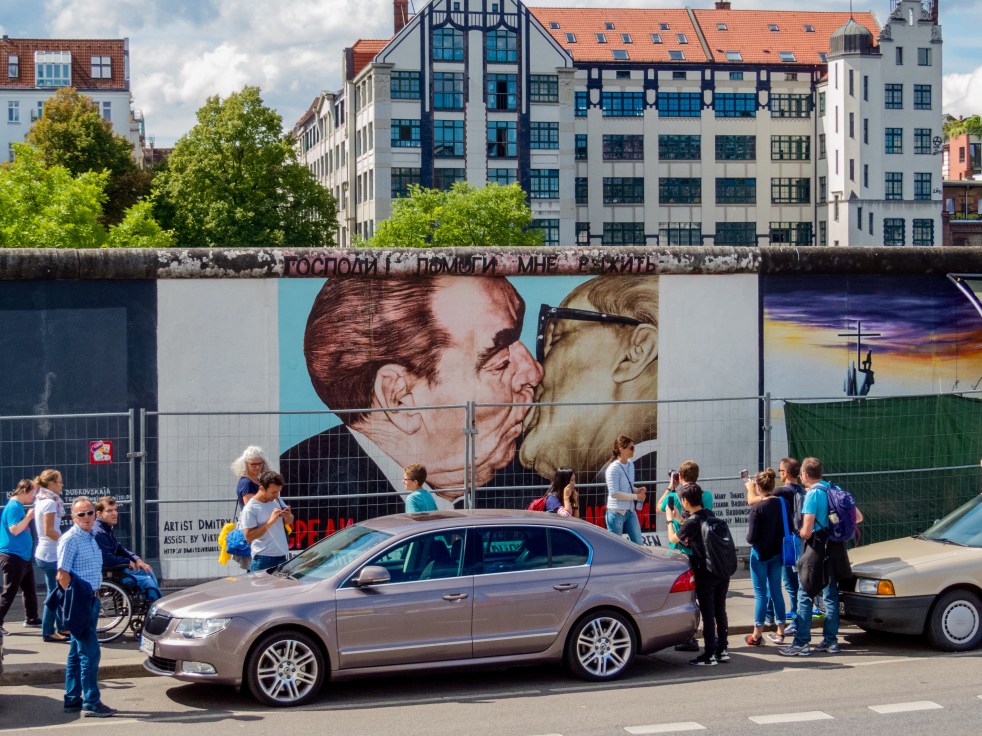
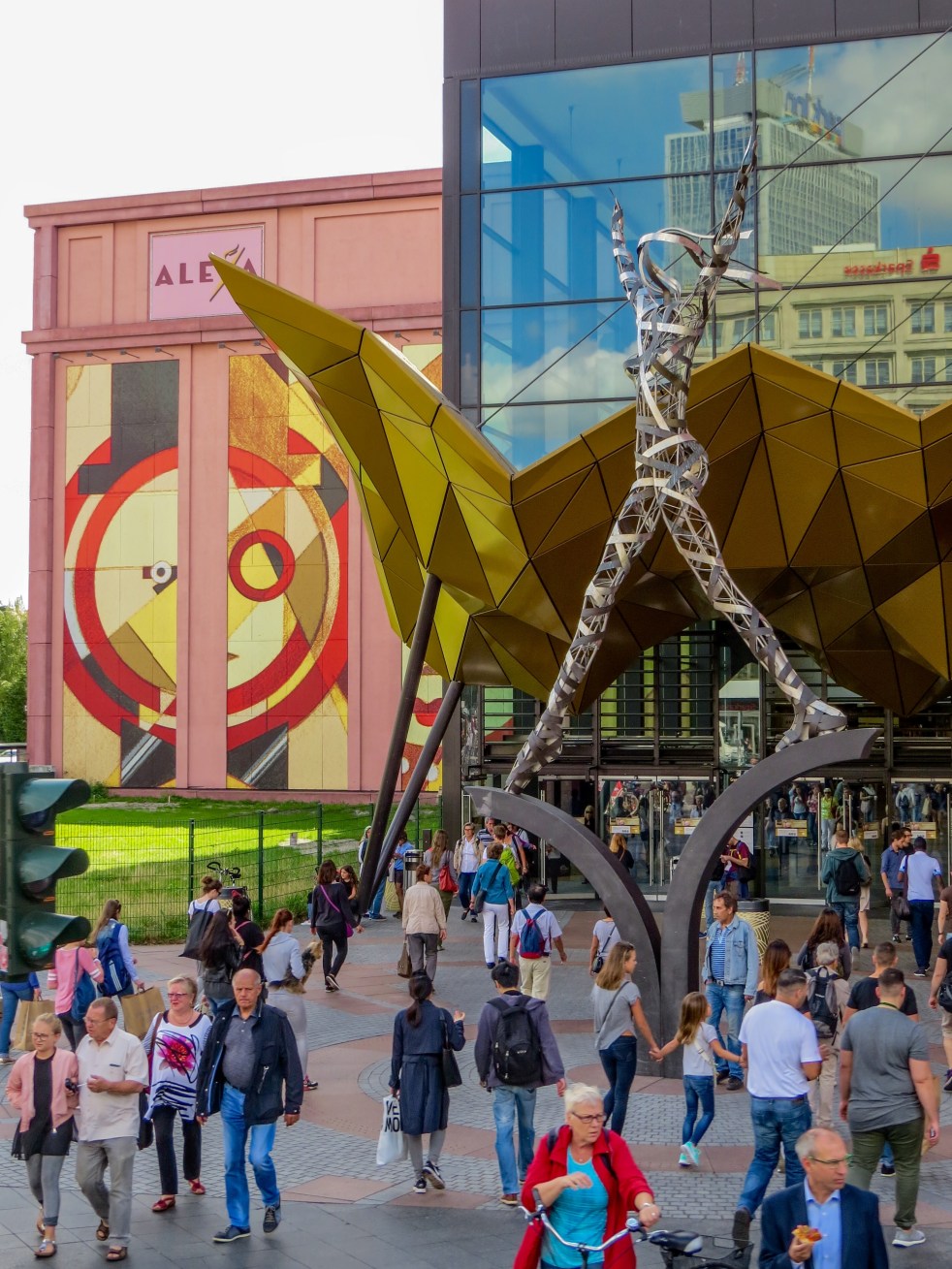
Berlin is still under construction and reconstruction. For a city that was 70% destroyed in the Second World War, it has attempted (successfully in my opinion) to hold on to what it could, and design a city for the future in spaces that couldn’t be reclaimed. There are memorials to history which are not hidden, dated Soviet construction that is being reinvigorated, and many imaginative light-filled new buildings that spark a sense of excitement. Remnants of the wall remain as well, with sections marked by steel poles flanking buildings with photos of “then” as compared to what the visitor sees now. The open air East Side Gallery was painted on sections of the wall by artists in the 1990s as a memorial for freedom, although many of the original works are now gone or have been modified. It is still colorful and interesting to see.

I liked Berlin.

berlin-9-copyberlin-15-copyberlin-19-copyberlin-23-copyberlin-31-copyberlin-71-copyberlin-73-copyberlin-74-copyberlin-78-copyberlin-91-copy

Who Do You Trust

It’s a question to take seriously, and I found my answers troubling. My favorite pundit and “truth seeker”, David Brooks, spoke about trust (and lack thereof) in a recent interview. He expressed concern (if my interpretation is correct) about the general lack of trust that seems to be spreading across our culture and the corrosive negativity dripping into our collective psyche from that lack of trust. Who do you trust, and why?

Brooks seems to believe that trust is necessary for a society to successfully function and grow, and that trust most easily finds a foothold at the community level, from connections such as those with which we used to be more familiar, when we lived in closer contact with more personal interactions. I remember having a professional relationship with a banker, for example, and we knew one another by name. Now I feel as though I become more invisible by day, in every way. Is this an undercurrent of the societal upheaval we seem to be experiencing, I wonder? Lack of trust?

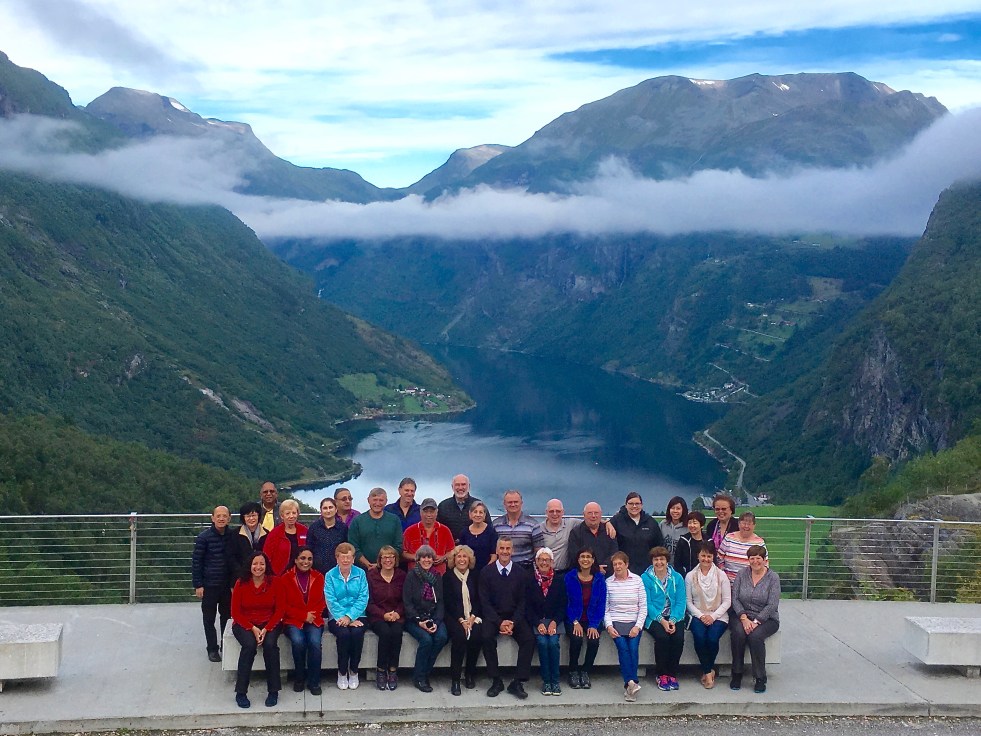
I had an interesting adventure this past month, in keeping with this subject. We went on a tour, on a bus, with 30 strangers from 6 countries. All had chosen to change from usual pursuits and tolerate one another for a period of time for different reasons. On a tour, for a minimum of 14 days, there’s little getting away from one another. Cultures were expressed among us in different ways. We were completely at the mercy of two strangers in particular: the tour director who set our requirements, and the coach driver who was challenged by hazardous driving conditions daily. The entire experience required trust.

The start of a tour, in our experience, is wary, and fraught with unsettling first impressions. It’s like the start of summer camp, or jury duty. Group standards have to be established and managed (which is the responsibility of the tour director), but participants have to buy into the program. There is peer pressure for accountability and responsibility. Interaction is forced immediately, ready or not.

As information replaces uncertainty, and experience rises to expectations, we begin to relax. Facades fade, we start to exchange stories from our own cultural experiences, while new shared events subtly create group cohesion. It’s a powerful dynamic to witness, as “me” morphs into “we”.

On tour we listen, we are respectful, we compromise, we learn that our way is not the only way, nor the best way, and we are reminded to laugh. We find that everything doesn’t go as we might wish, and that we need to be prepared for changing conditions. We experience tedious times between dramatic times. We find it’s not important to be first in line. We actually develop a small community among complete strangers, committed to the common goal of a pleasant experience, nurtured by trust and support.

What does it take to earn trust, and what do you have to do participate in developing it? It’s a much harder question to answer at home than on tour, but I’m grateful that our tour reminded me of how trust feels, and it’s value.
img_4108

The Grand Finale

Grand Canyon_29_160516

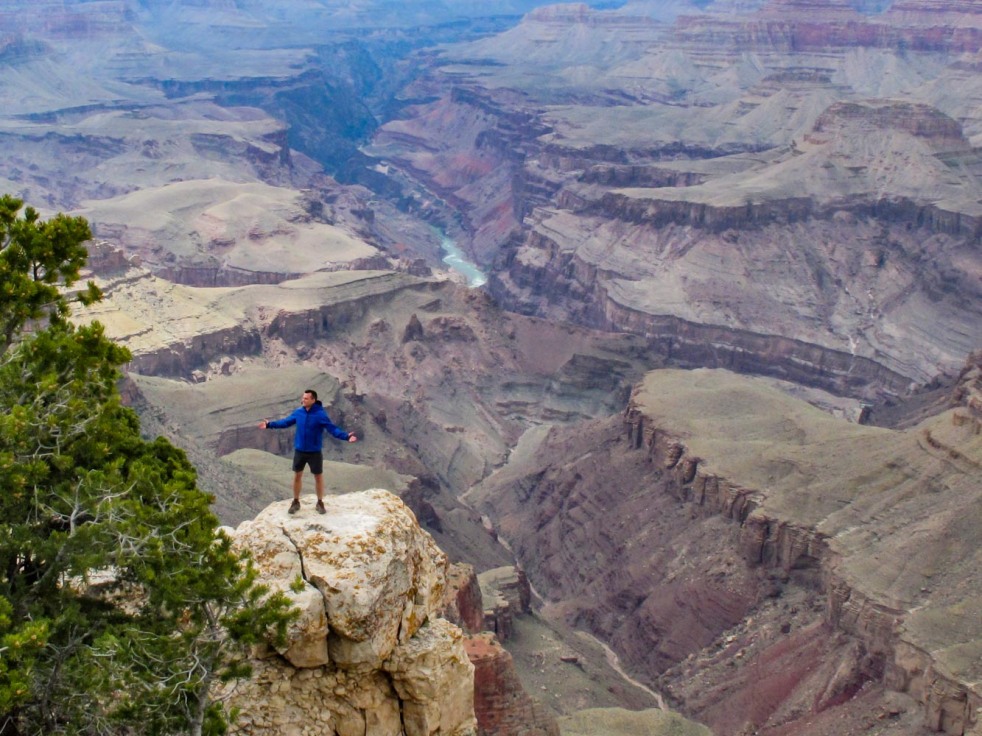
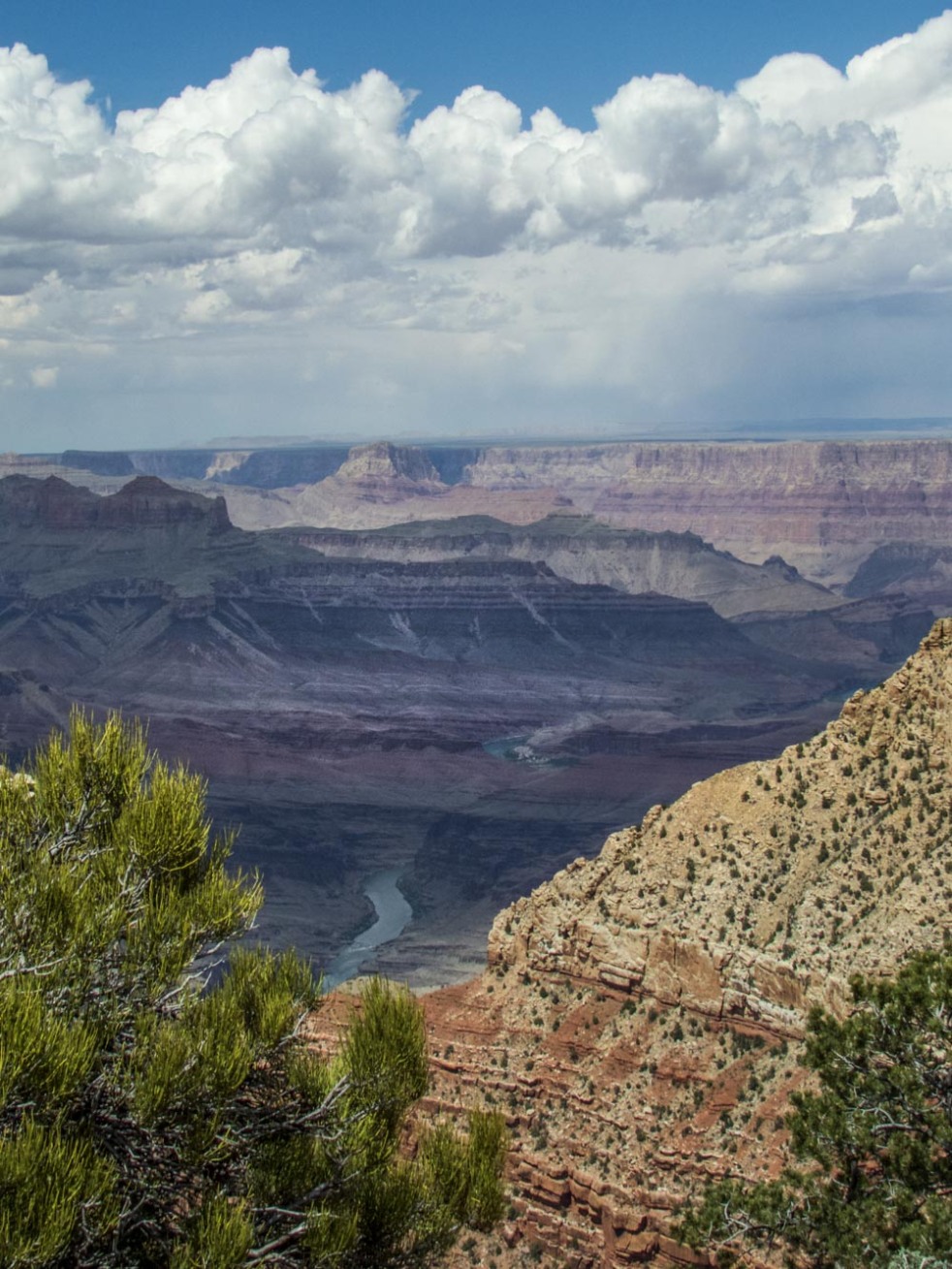
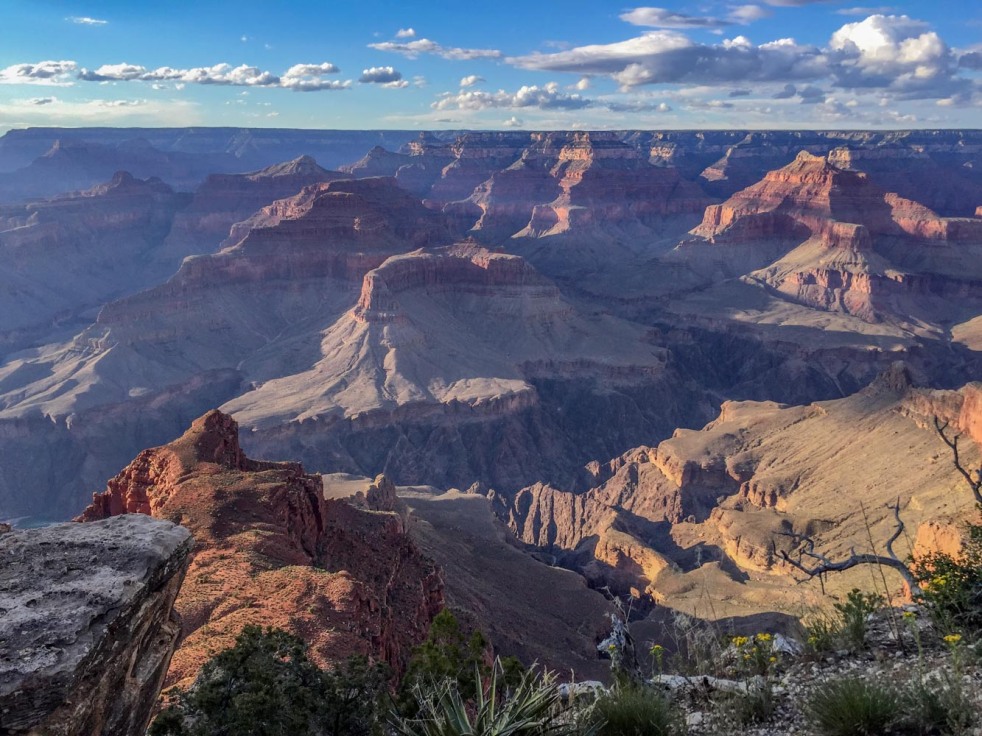
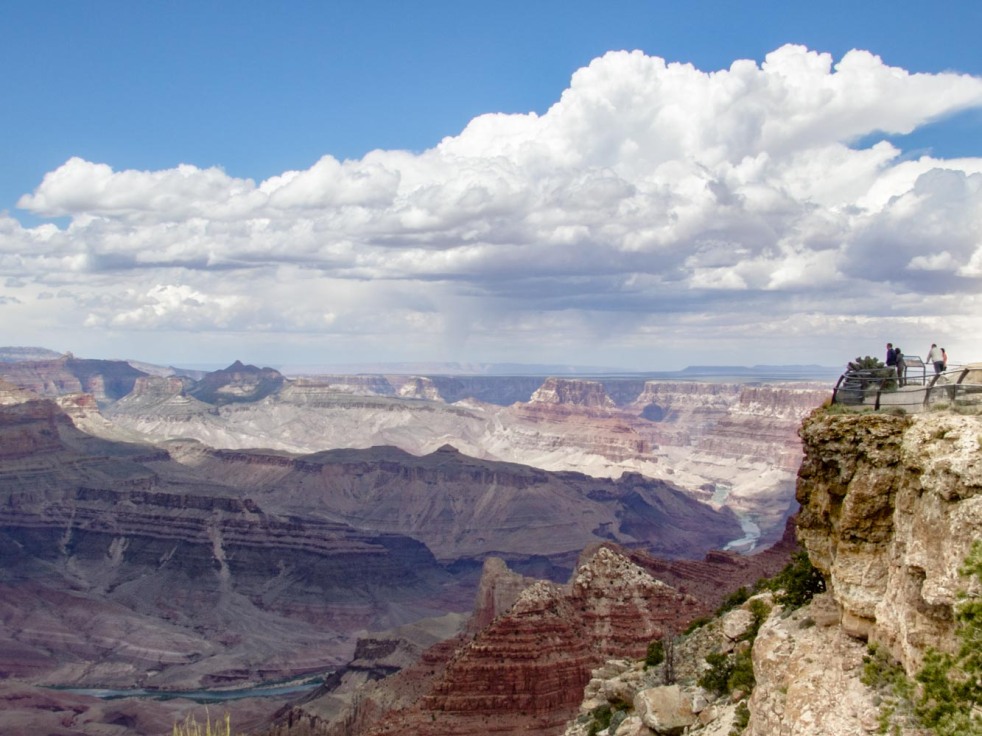
Here at last. The Grand Canyon. There were many more people on the South Rim than anywhere else we visited during our entire journey (a large percentage of whom were foreign visitors), but the National Park Service does an outstanding job of managing both this enormous land mass and those who come to see it. We applauded the Rangers and other staff often for their friendly helpfulness, and thought park lodging and food services were amazing in light of the high traffic and turnover demands placed on them.

As was the case in all the parks we visited, all one had to do was wait a minute for the scene to change its color and mood. It is grand indeed.

Grand Canyon_33_160516

Grand Canyon_53_160516.jpg

Grand Canyon_73_160516Grand Canyon_37_160516Grand Canyon_115_160516Grand Canyon_374_160517Grand Canyon_98_160516Grand Canyon_142_160516Grand Canyon_268_160516Grand Canyon_293_160517Grand Canyon_55_160516

Can’t tell from here…

Lake Powell Area_202_SBH_160515_ME

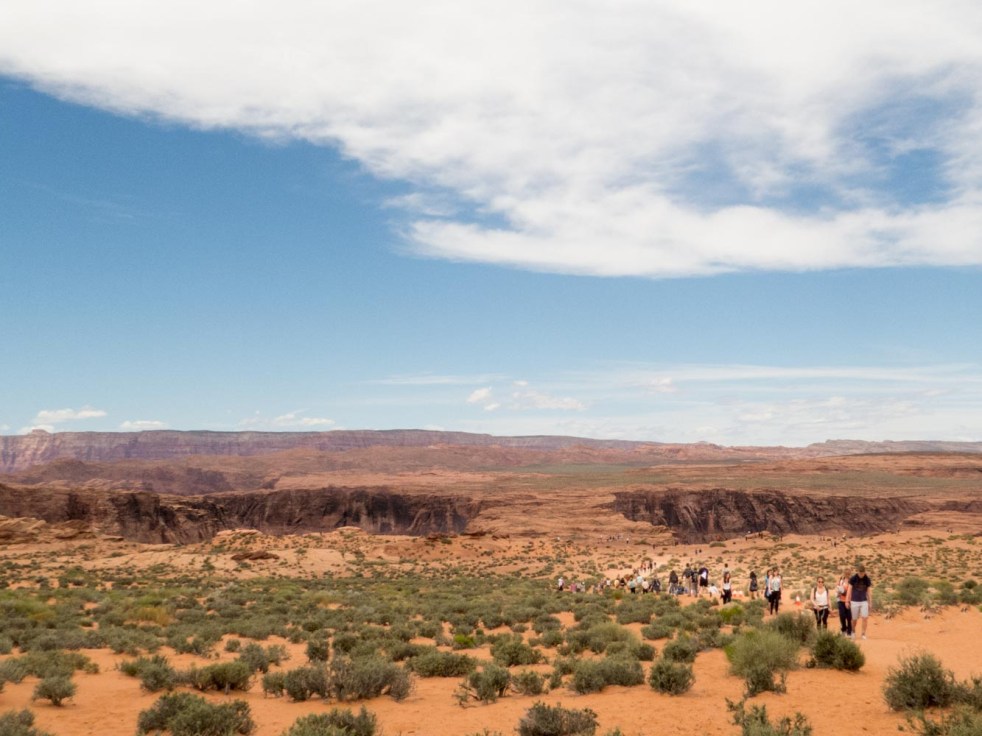
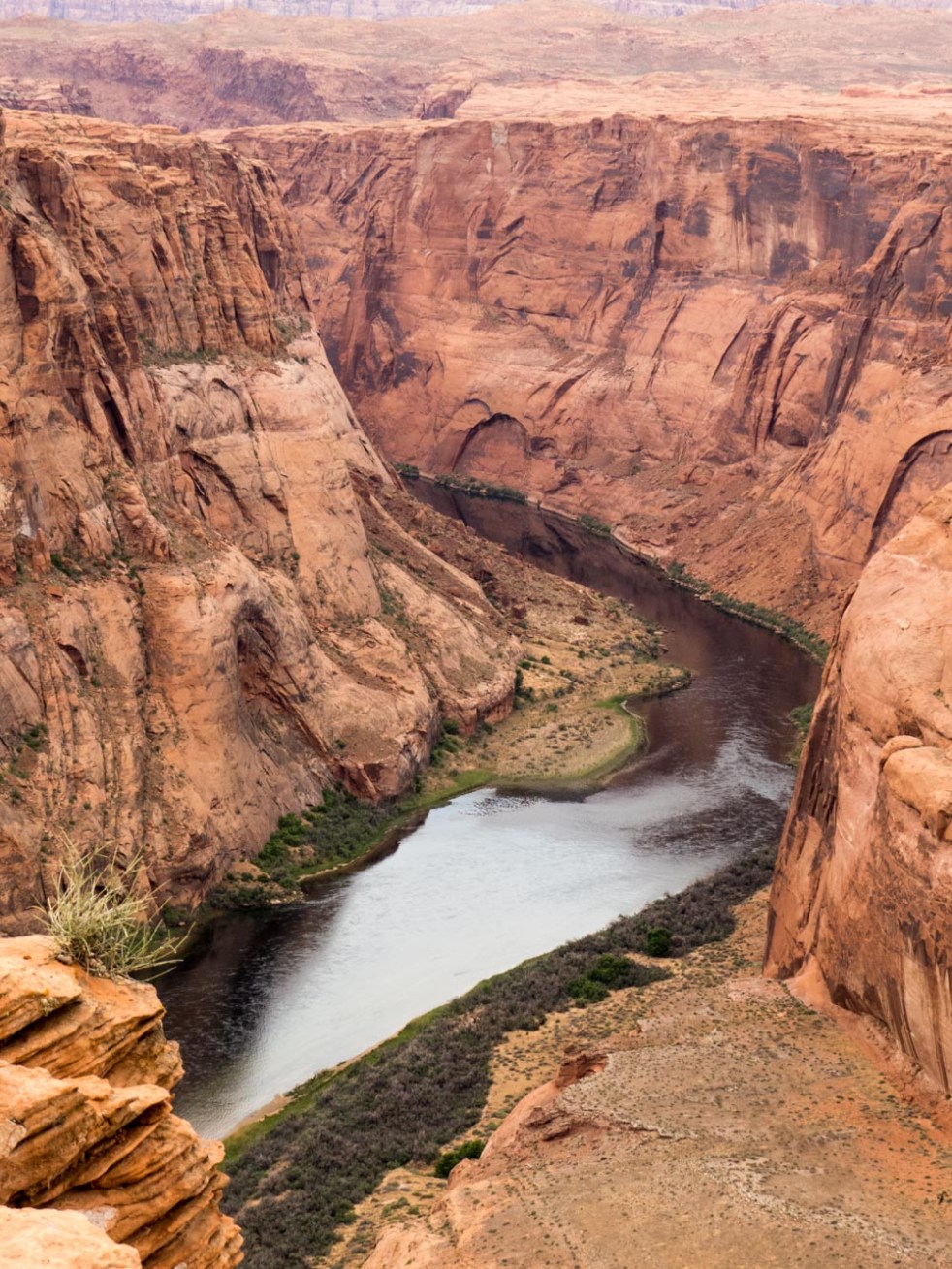
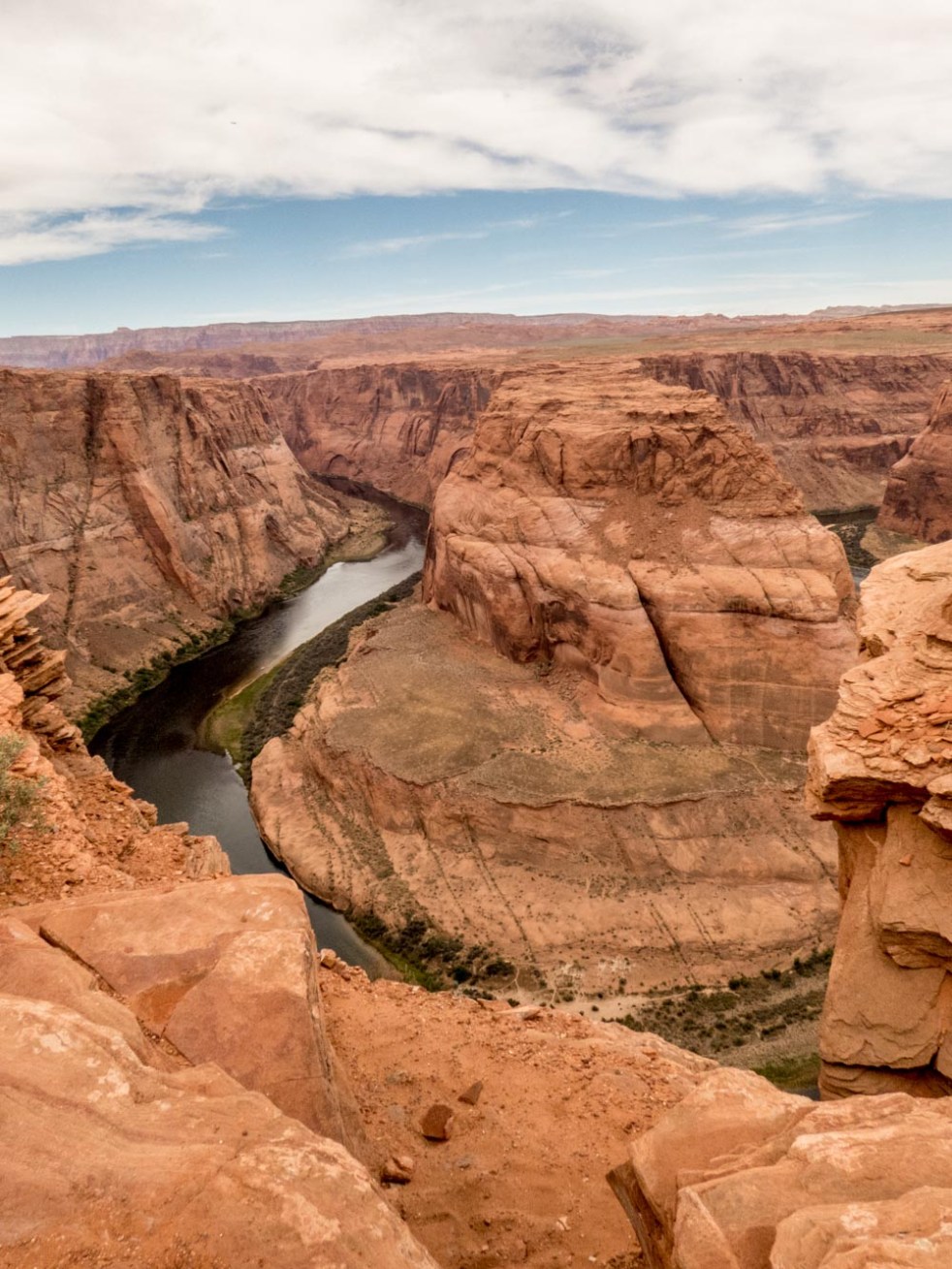
Near Lake Powell, there is a gash in the earth about a mile down the hill that draws visitors to it. On reaching the rim, it’s completely understandable. There are many gorgeous photographs on the web of the Colorado River’s entire Horseshoe Bend, but I wasn’t going to stand any closer to the edge to capture it. This will have to do.Lake Powell Area_5_160515Horseshoe

Lake Powell Area_29_160515Horseshoe

Lake Powell Area_39_160515HorseshoeLake Powell Area_21_160515Horseshoe.jpg