I can tell you what happened, but not how or why. On day five, two of the remaining four ducklings died. I quit taking photos. On day six we lost one of the remaining two. And on day seven, Mom flew out of the yard for a while (as was her pattern), leaving the last one alone. He was very busy in the pool for an hour, explored around the yard, and walked off into the tall grass. Mom flew back in several times during the afternoon, but the duckling never reappeared to join her.
It’s hard not to take this experience personally. We didn’t put chemicals in the pool the week before the ducks were born, nor while they were with us. We use no chemicals in the yard. We did not attempt to feed them anything, and predators did not kill them. Several days of rain unearthed bugs and worms and debris they could have ingested to their detriment, but we have spoken to others with pools and ducks who have no similar stories.
I have run through my usual mental platitudes to find a place of consolation, but can’t help but feel somehow responsible. These appeared to be robust ducklings who sickened in our environment. Whether that speaks to our yard, our neighborhood, or our world, I don’t like it.
I took these photos on the first day, not the last, and they are the end of this sad story.


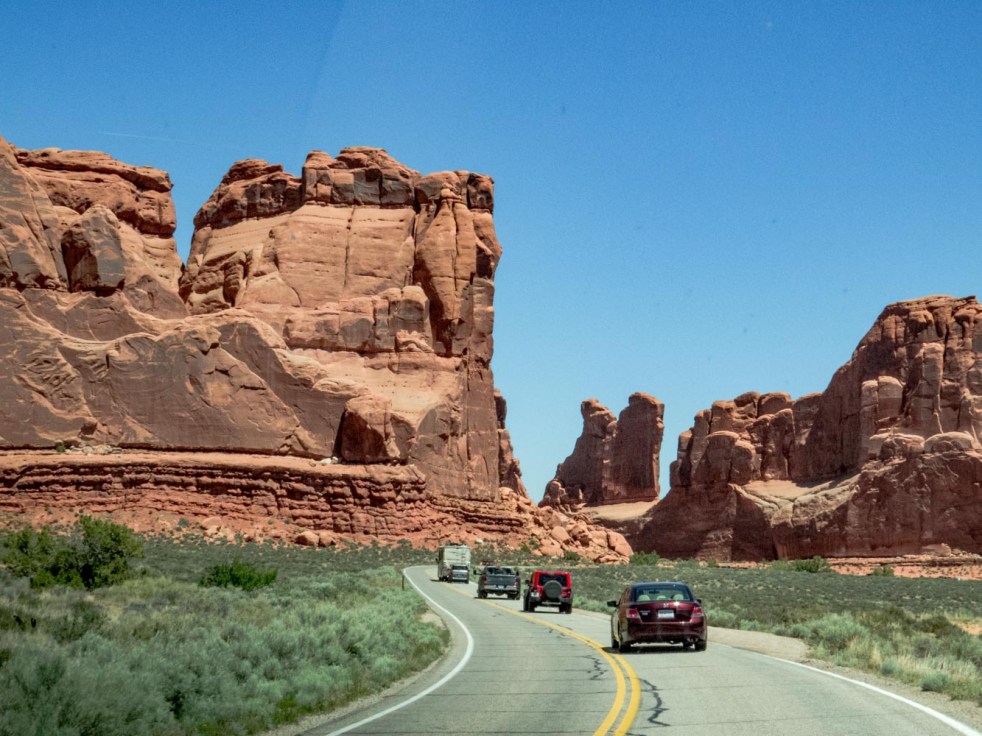
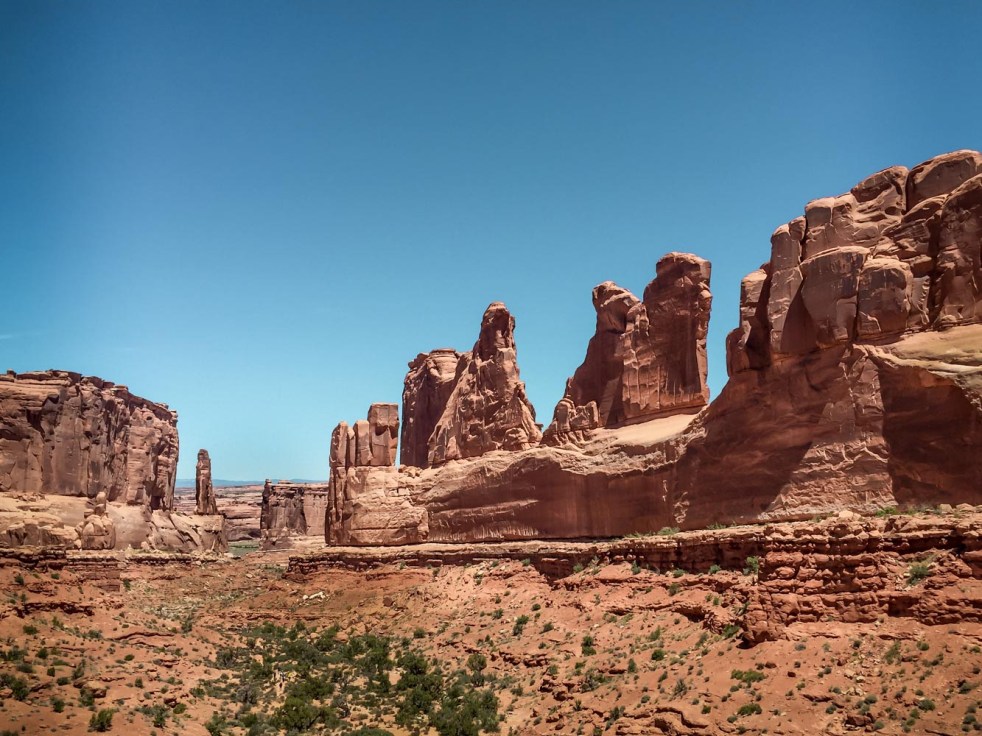


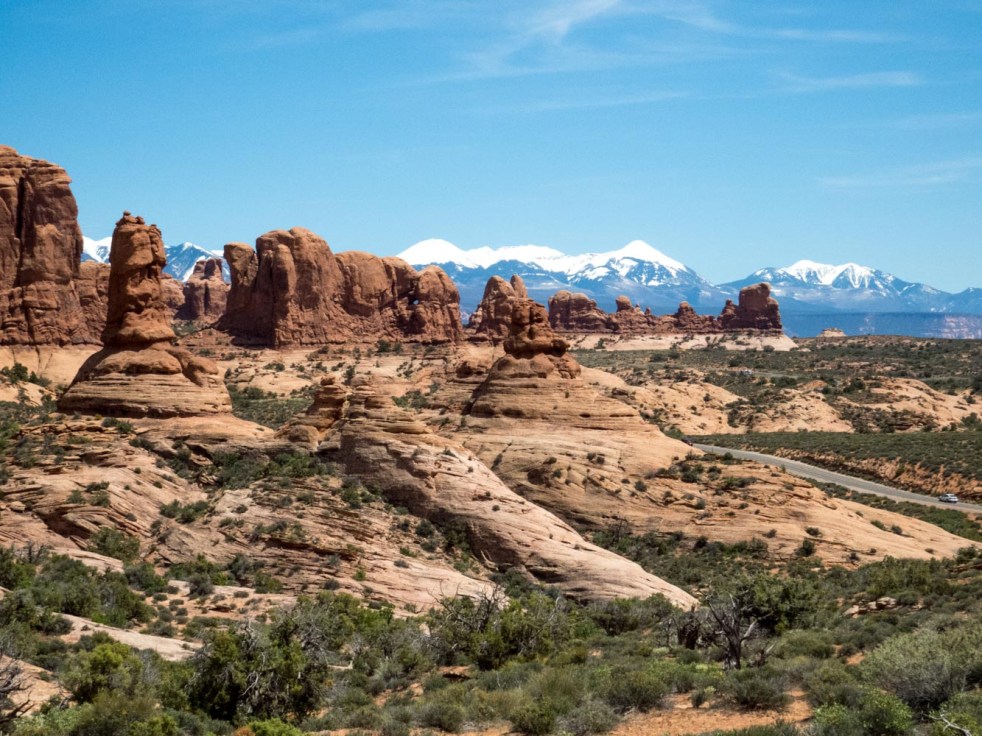
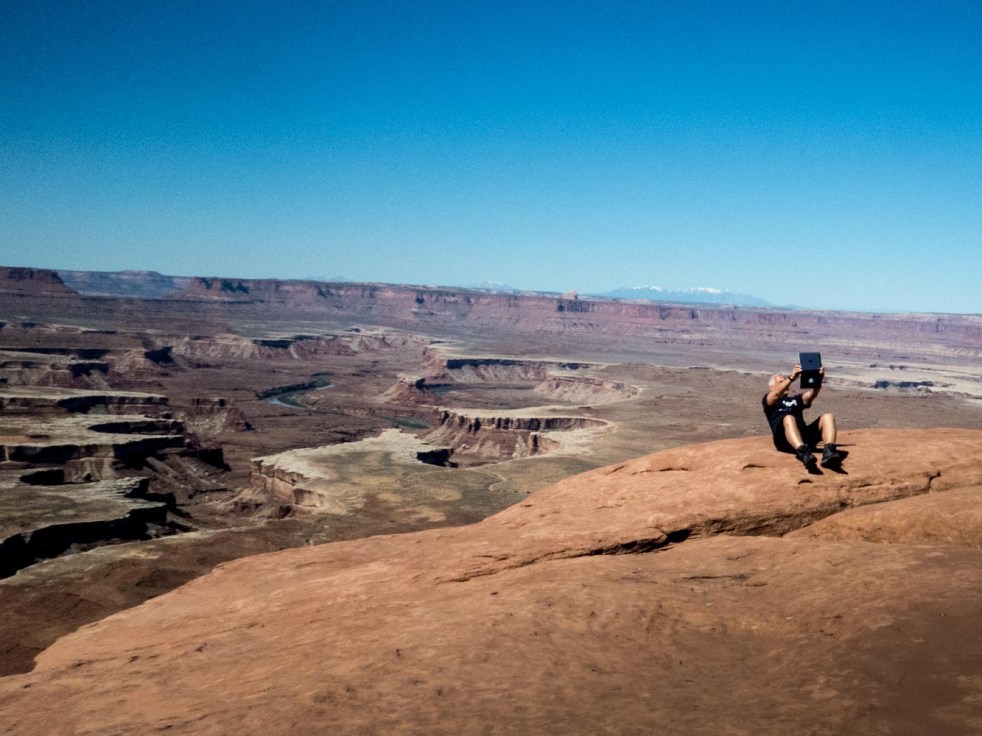
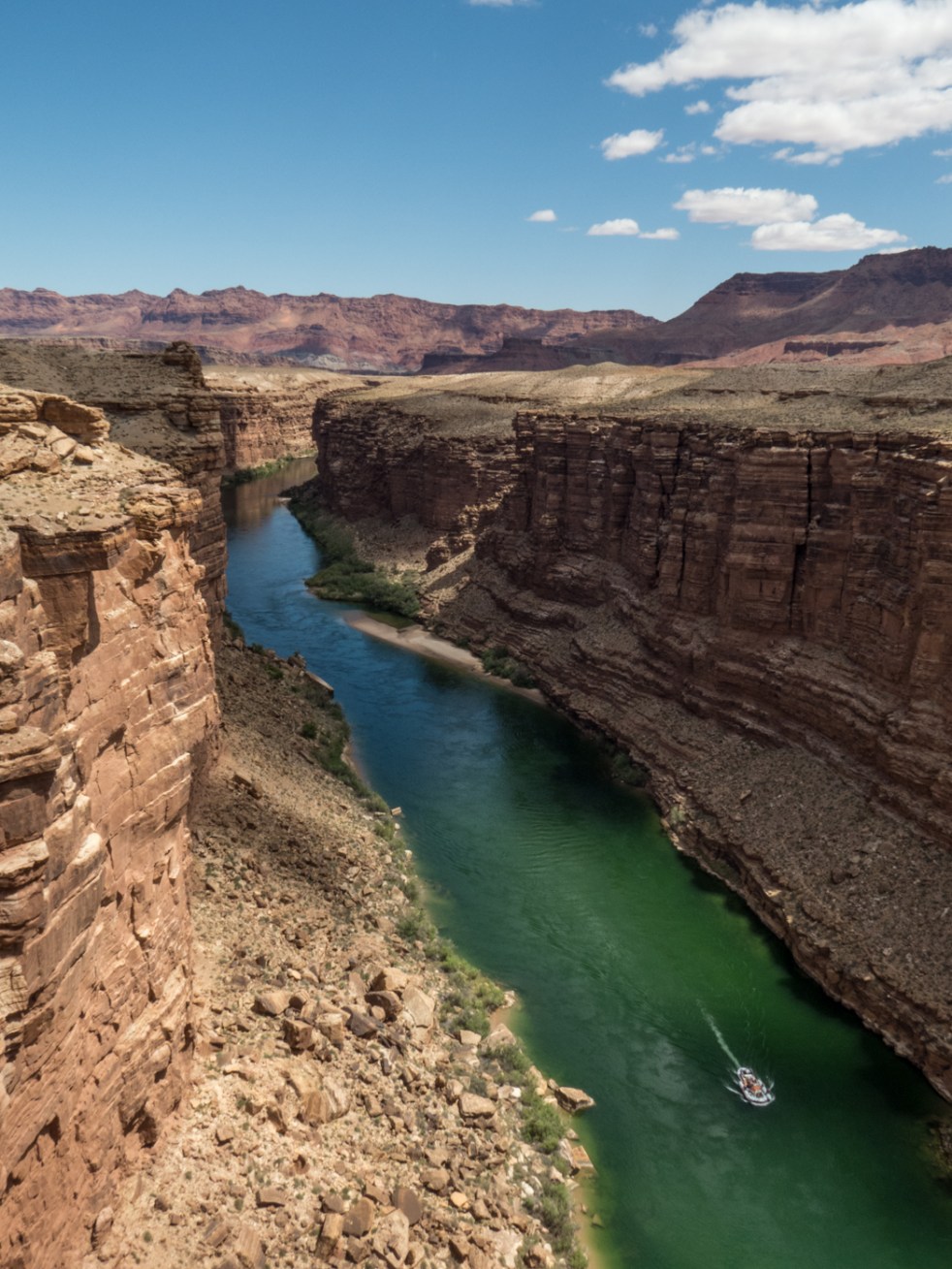
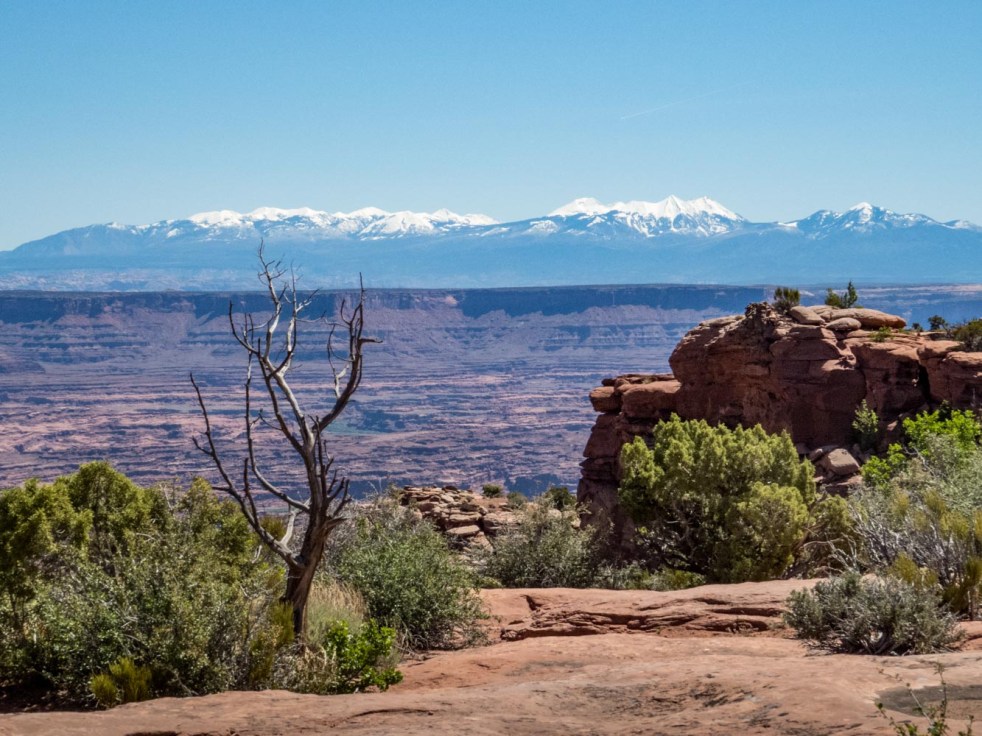 Canyonlands National Park is a weirdly wonderful place. We visited only its northern district near the town of Moab, but read that it stretches into three other completely unique districts over a large portion of southeastern Utah. The park provided outstanding opportunities for both selfies and reflection (but not for us; those soft cliff edges and long drops deterred our participation). We just enjoyed looking at it (and them).



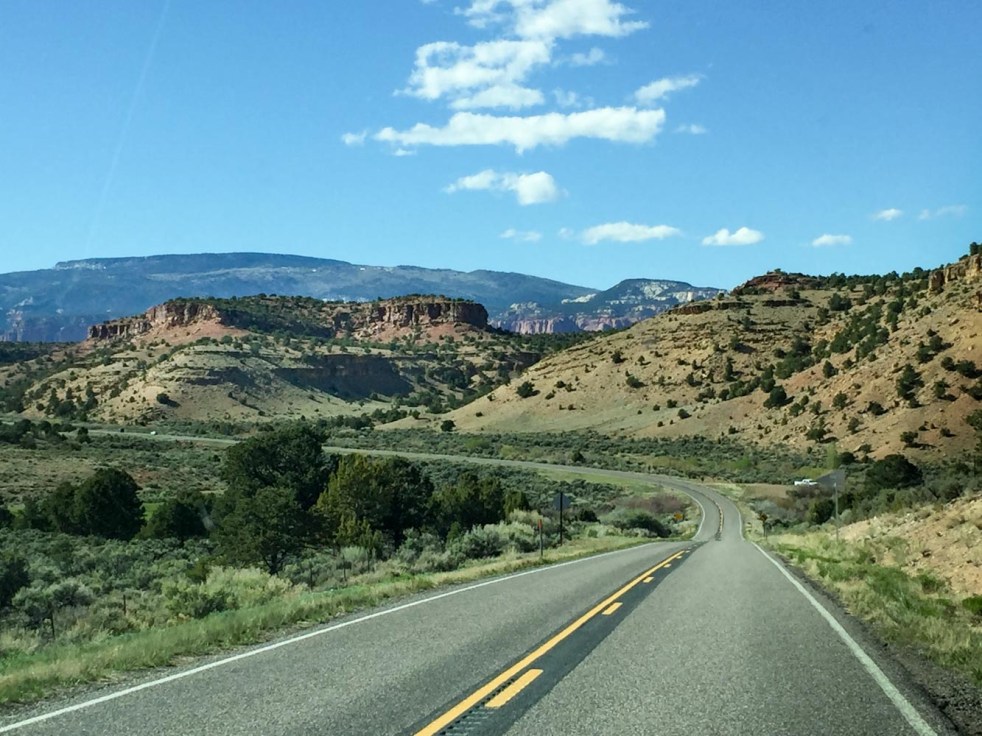
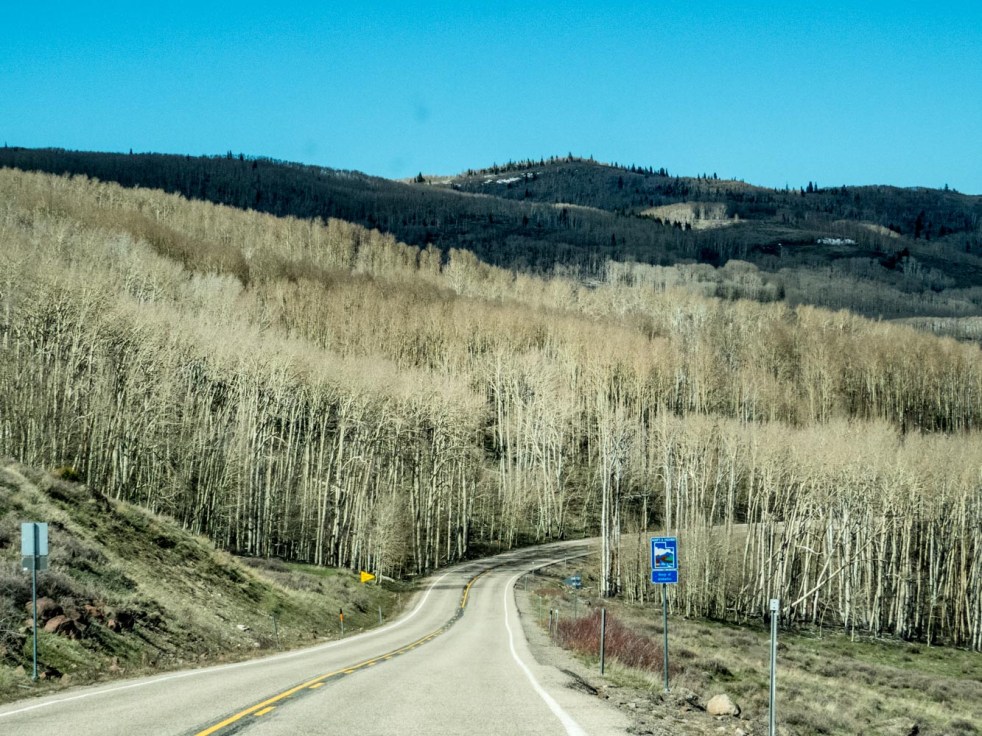
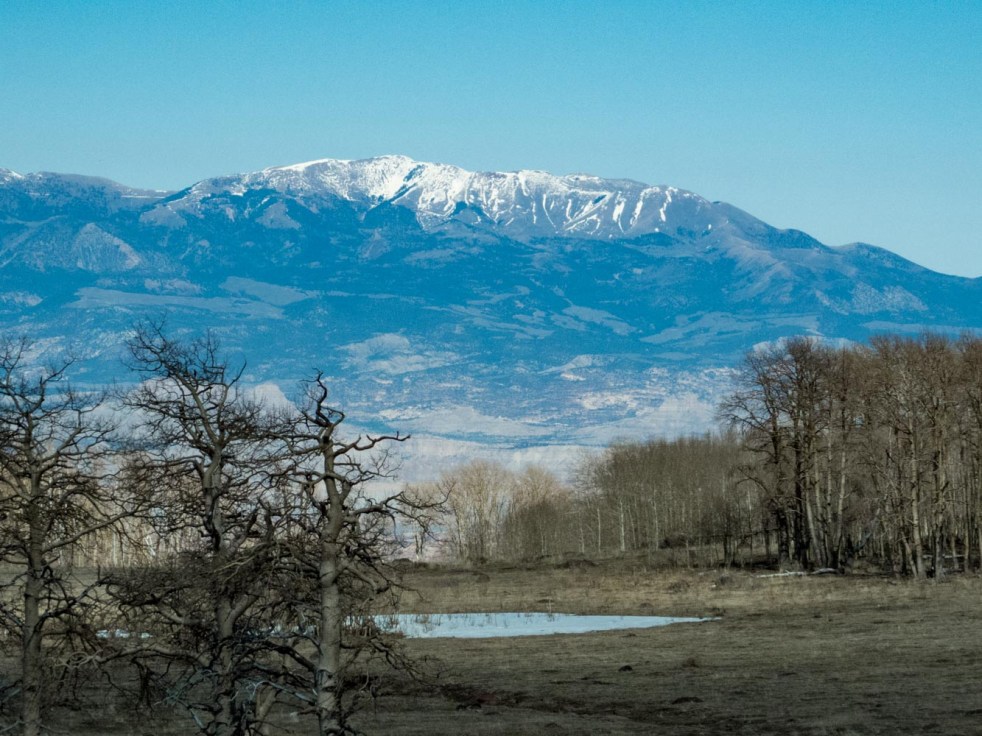
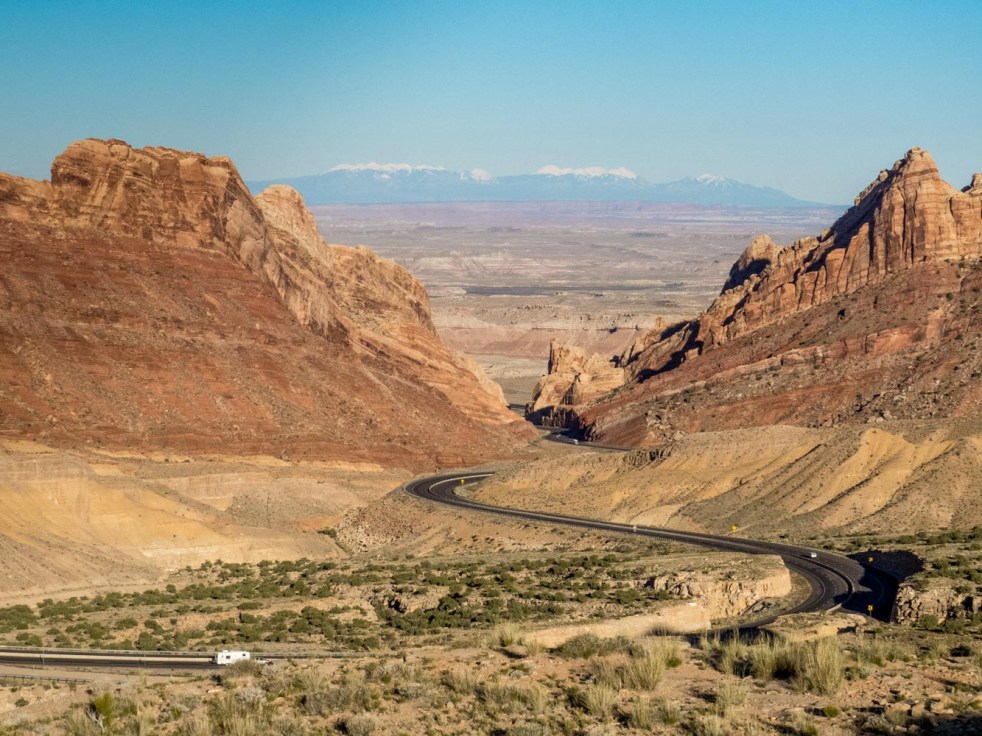
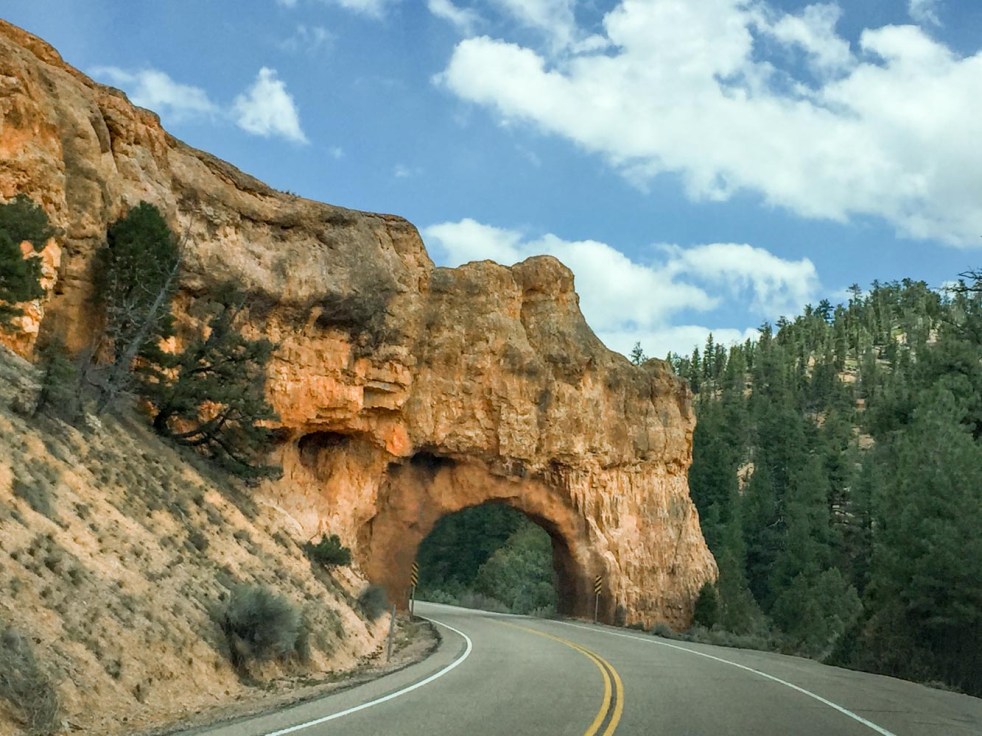
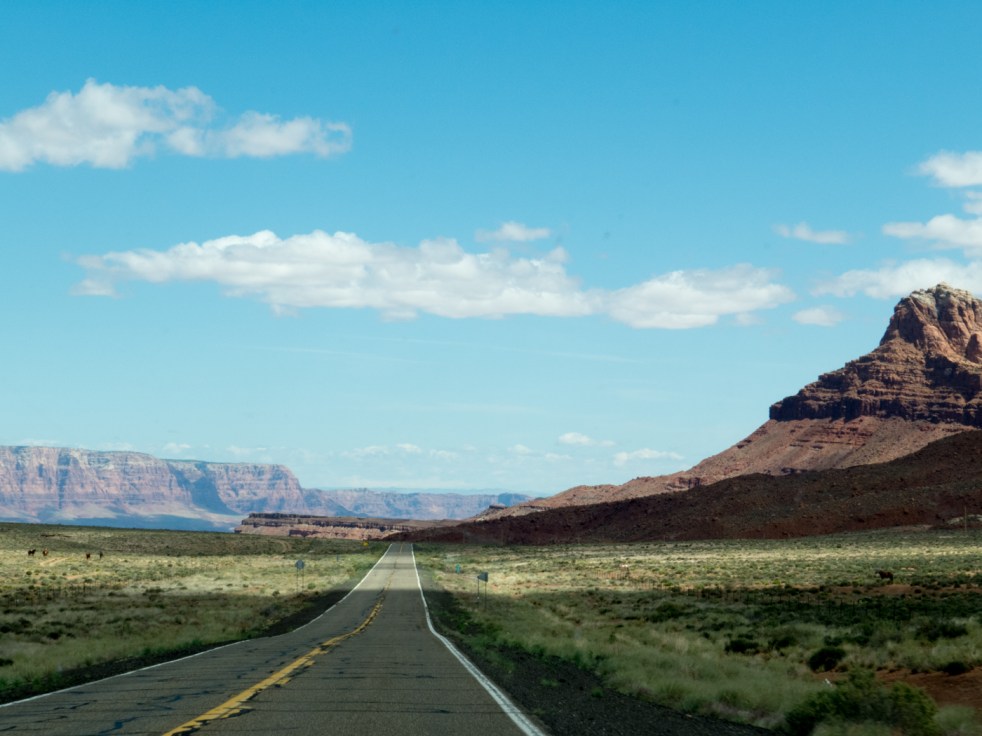
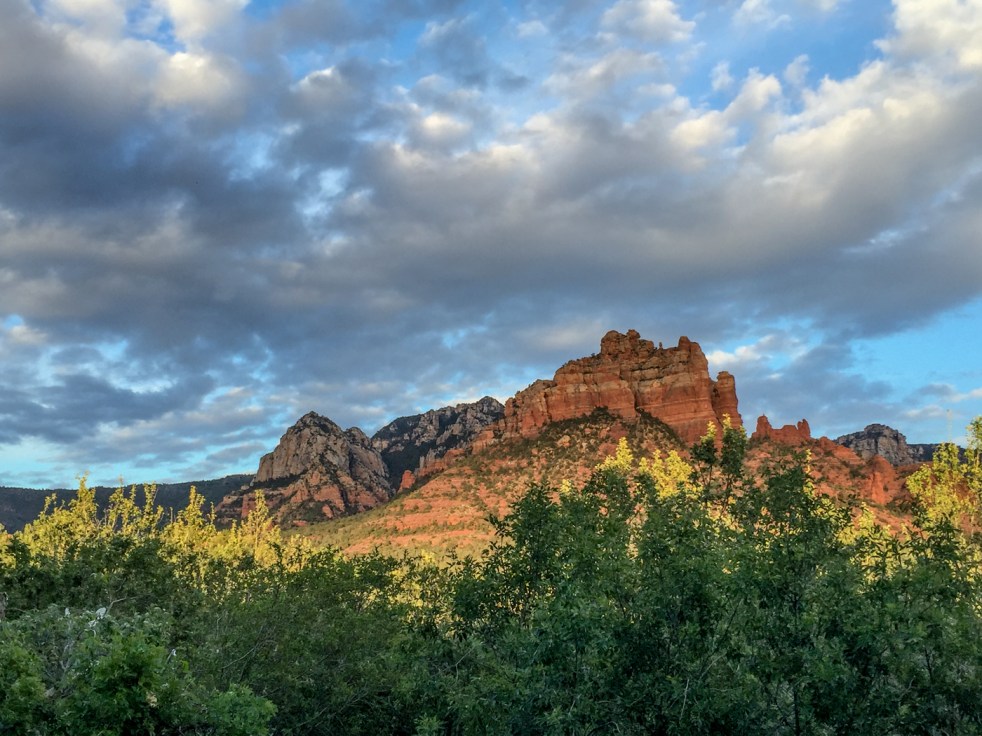
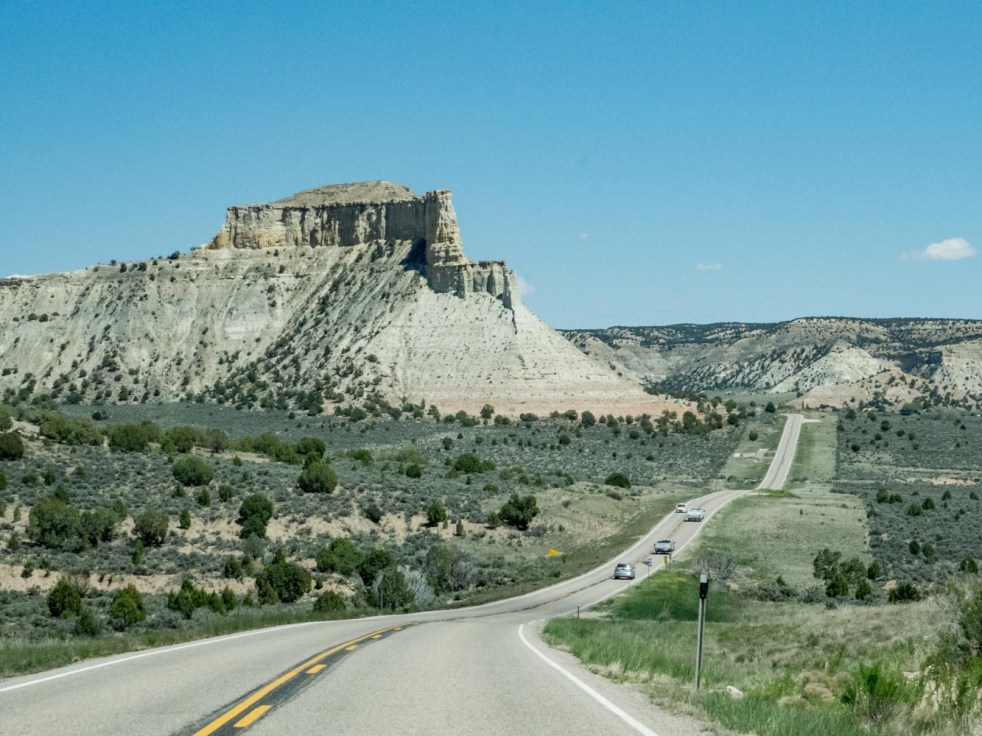 If the glory of the national parks isn’t satisfying enough, driving through Utah between them might add a few more ingredients to your recipe. These were shot meandering between Bryce Canyon National Park and Moab, at a leisurely, completely gratifying pace.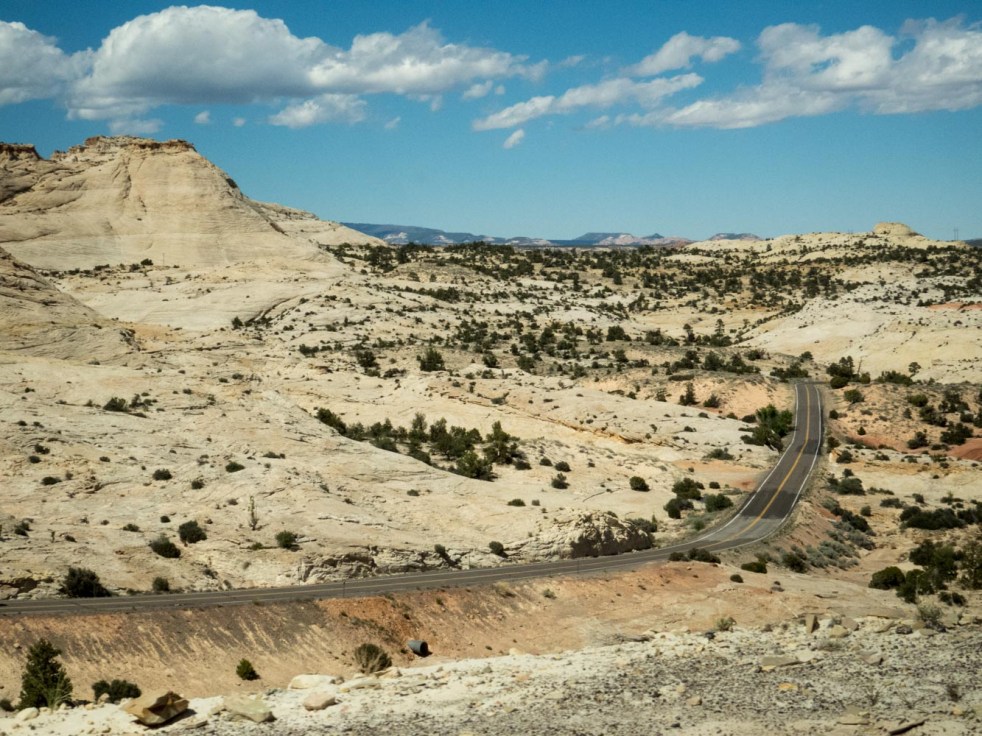



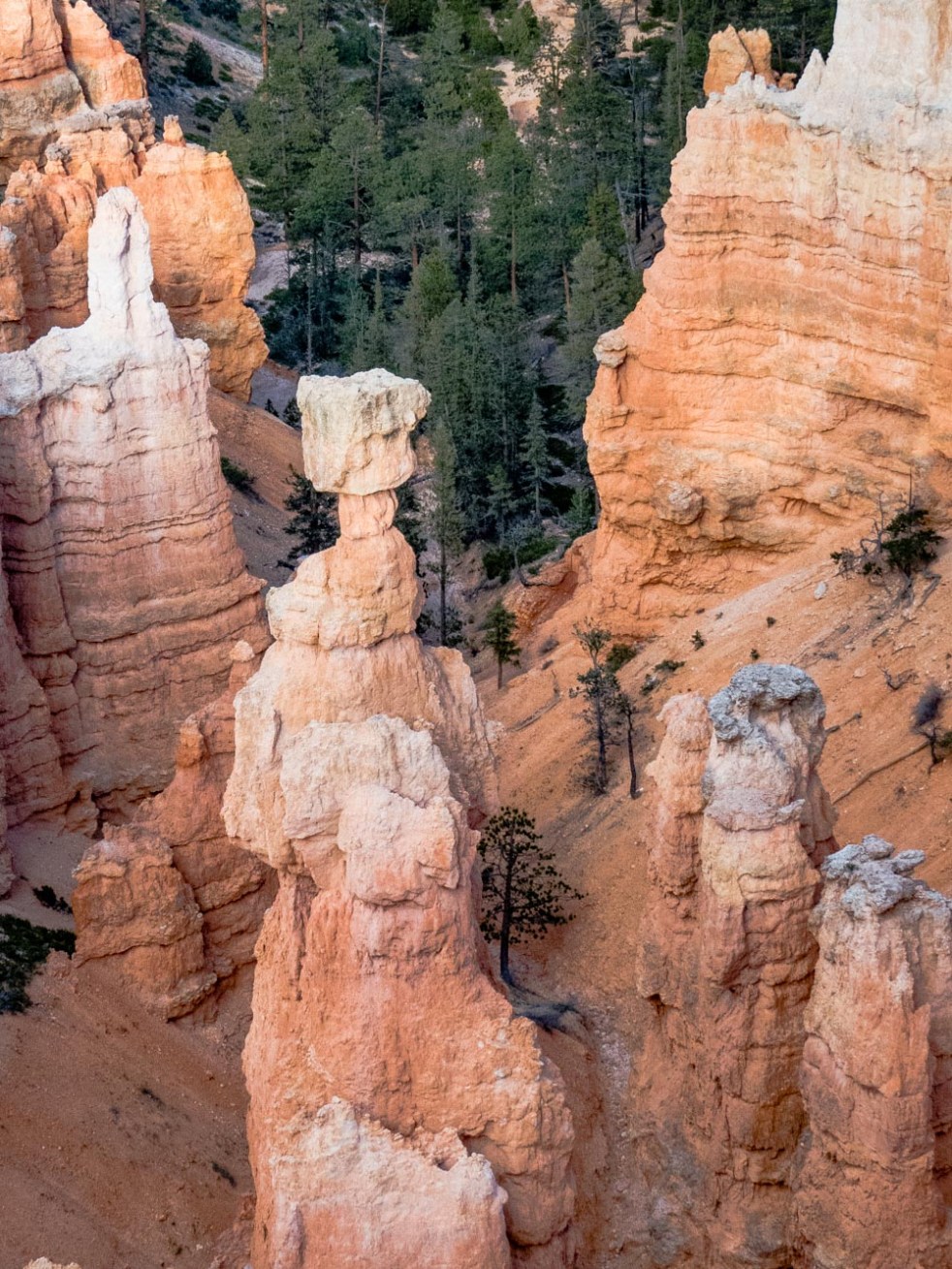
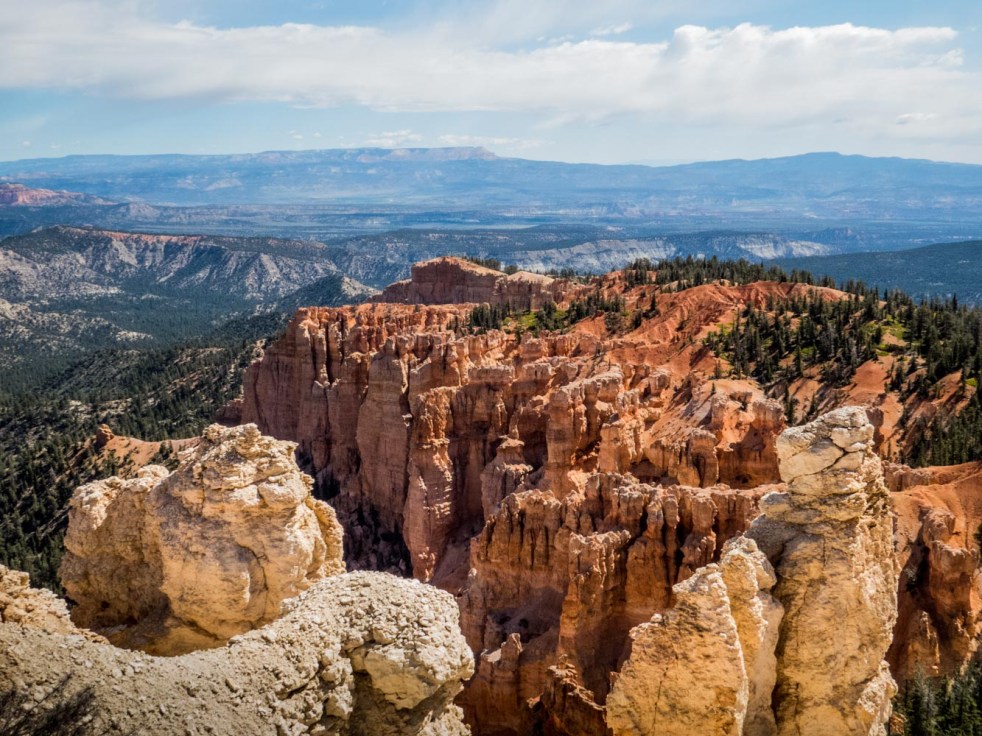
 The amphitheater at Bryce Canyon National Park will take your breath away. The hoodoos, created from layers of soft and hard rock eroded by millenniums of freeze and thaw cycles, have been sculpted into fantasy shapes worthy of any story telling. The following Paiute Indian Legend is posted at the rim of the canyon:






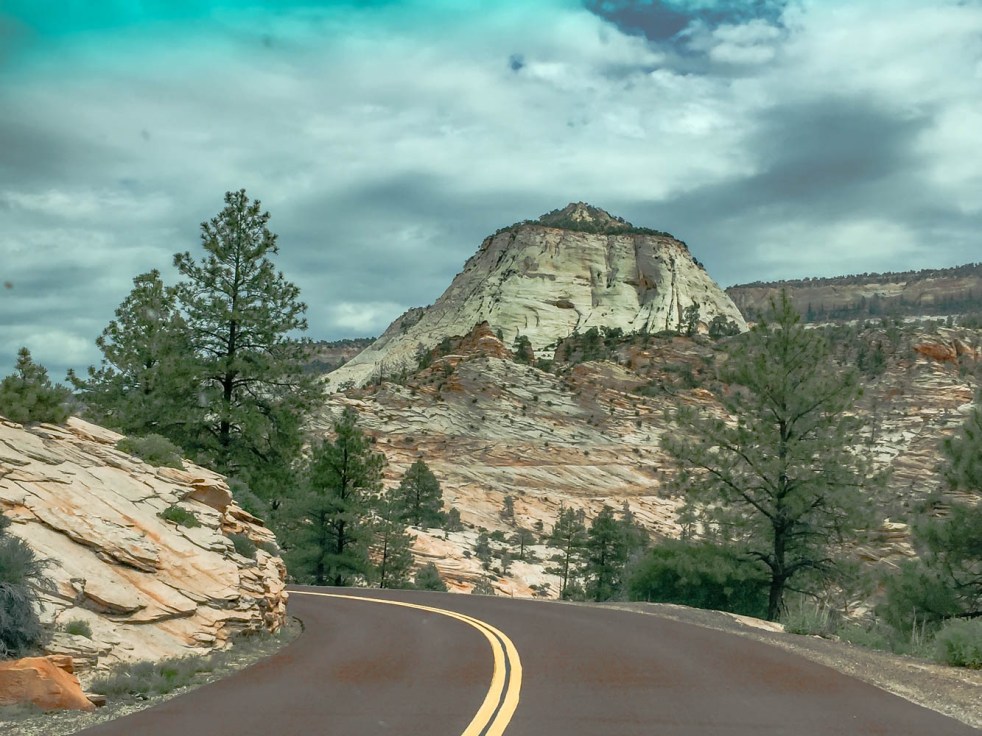
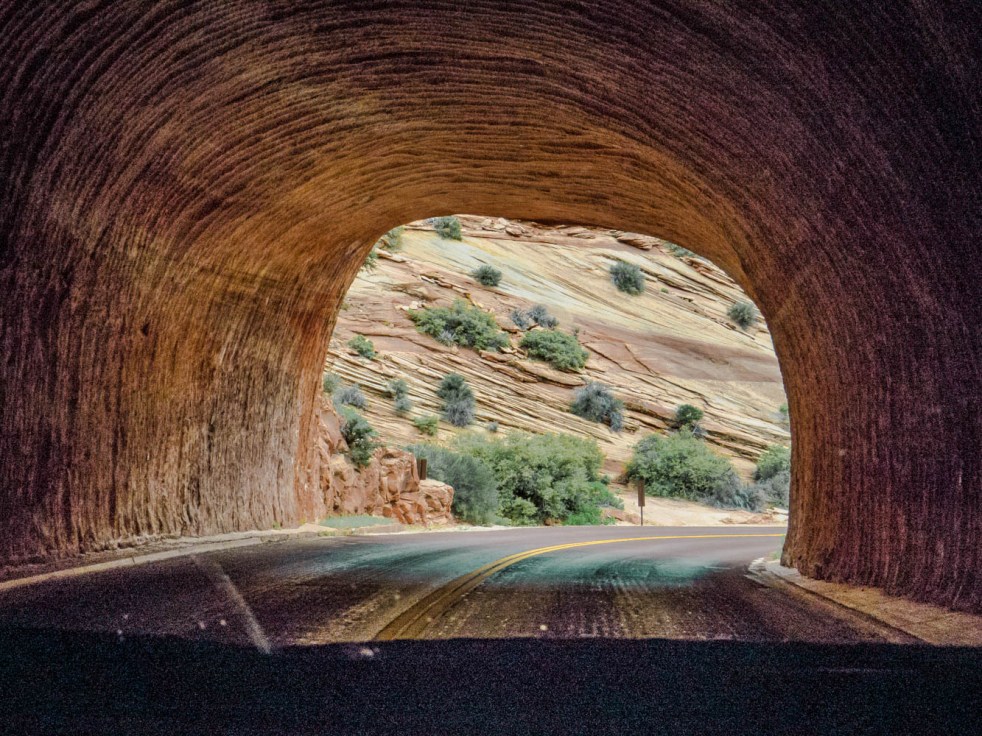
 Whether you choose to define Zion as a heavenly place or a refuge, you’re right. Emerging from the tunnel on the east side of this vast park, you are met with the above introduction to Zion Canyon; the distant road seen at the bottom of the photo leads you there. Every moment spent in this incredible place offers grandeur, color, drama, serenity and wonder, and the opportunity to engage with nature beyond imagination. We barely touched the park’s offerings, and daily blessed those who had the foresight, political will and determination to establish and ensure protection of this national treasure for all of us.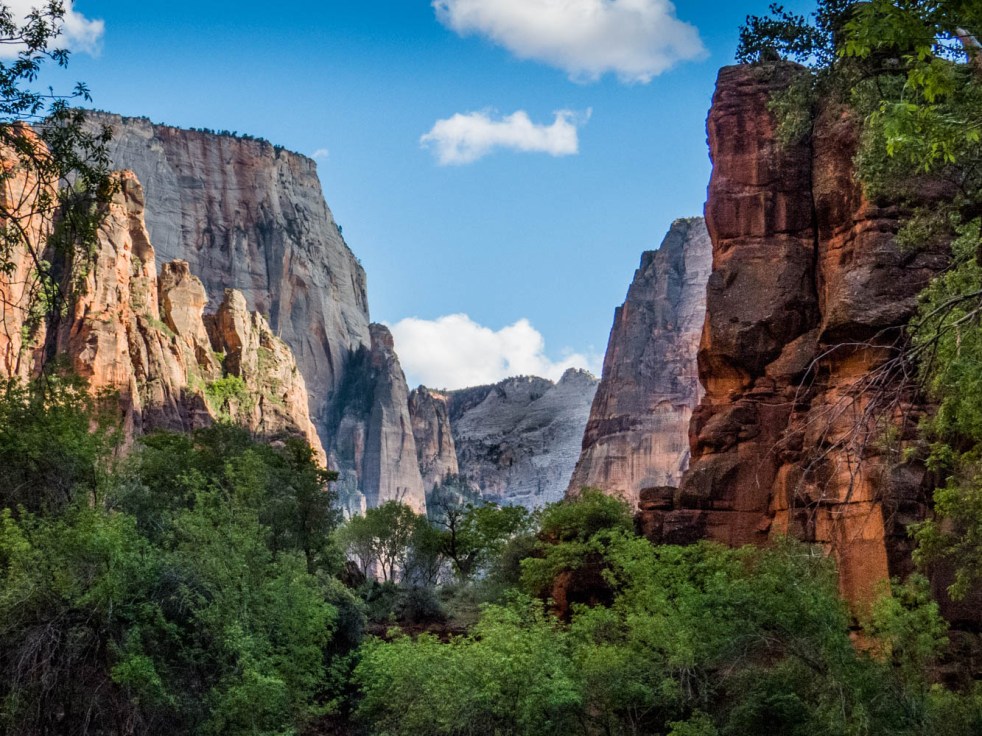









 My Time Too