It’s a question to take seriously, and I found my answers troubling. My favorite pundit and “truth seeker”, David Brooks, spoke about trust (and lack thereof) in a recent interview. He expressed concern (if my interpretation is correct) about the general lack of trust that seems to be spreading across our culture and the corrosive negativity dripping into our collective psyche from that lack of trust. Who do you trust, and why?
Brooks seems to believe that trust is necessary for a society to successfully function and grow, and that trust most easily finds a foothold at the community level, from connections such as those with which we used to be more familiar, when we lived in closer contact with more personal interactions. I remember having a professional relationship with a banker, for example, and we knew one another by name. Now I feel as though I become more invisible by day, in every way. Is this an undercurrent of the societal upheaval we seem to be experiencing, I wonder? Lack of trust?
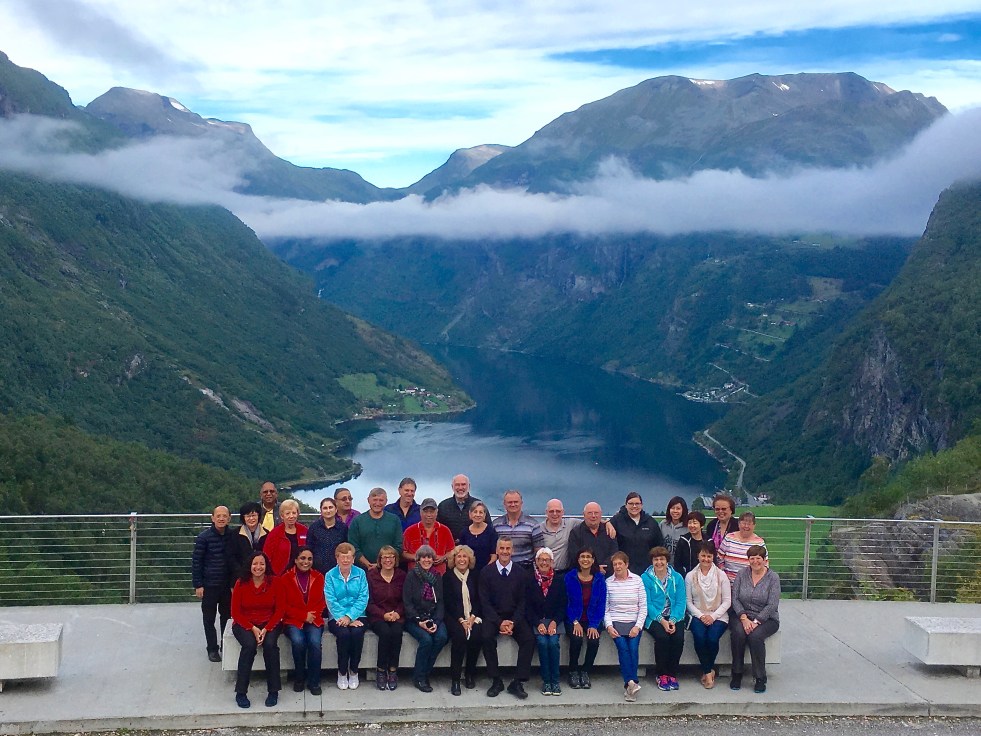
I had an interesting adventure this past month, in keeping with this subject. We went on a tour, on a bus, with 30 strangers from 6 countries. All had chosen to change from usual pursuits and tolerate one another for a period of time for different reasons. On a tour, for a minimum of 14 days, there’s little getting away from one another. Cultures were expressed among us in different ways. We were completely at the mercy of two strangers in particular: the tour director who set our requirements, and the coach driver who was challenged by hazardous driving conditions daily. The entire experience required trust.
The start of a tour, in our experience, is wary, and fraught with unsettling first impressions. It’s like the start of summer camp, or jury duty. Group standards have to be established and managed (which is the responsibility of the tour director), but participants have to buy into the program. There is peer pressure for accountability and responsibility. Interaction is forced immediately, ready or not.
As information replaces uncertainty, and experience rises to expectations, we begin to relax. Facades fade, we start to exchange stories from our own cultural experiences, while new shared events subtly create group cohesion. It’s a powerful dynamic to witness, as “me” morphs into “we”.
On tour we listen, we are respectful, we compromise, we learn that our way is not the only way, nor the best way, and we are reminded to laugh. We find that everything doesn’t go as we might wish, and that we need to be prepared for changing conditions. We experience tedious times between dramatic times. We find it’s not important to be first in line. We actually develop a small community among complete strangers, committed to the common goal of a pleasant experience, nurtured by trust and support.
What does it take to earn trust, and what do you have to do participate in developing it? It’s a much harder question to answer at home than on tour, but I’m grateful that our tour reminded me of how trust feels, and it’s value.






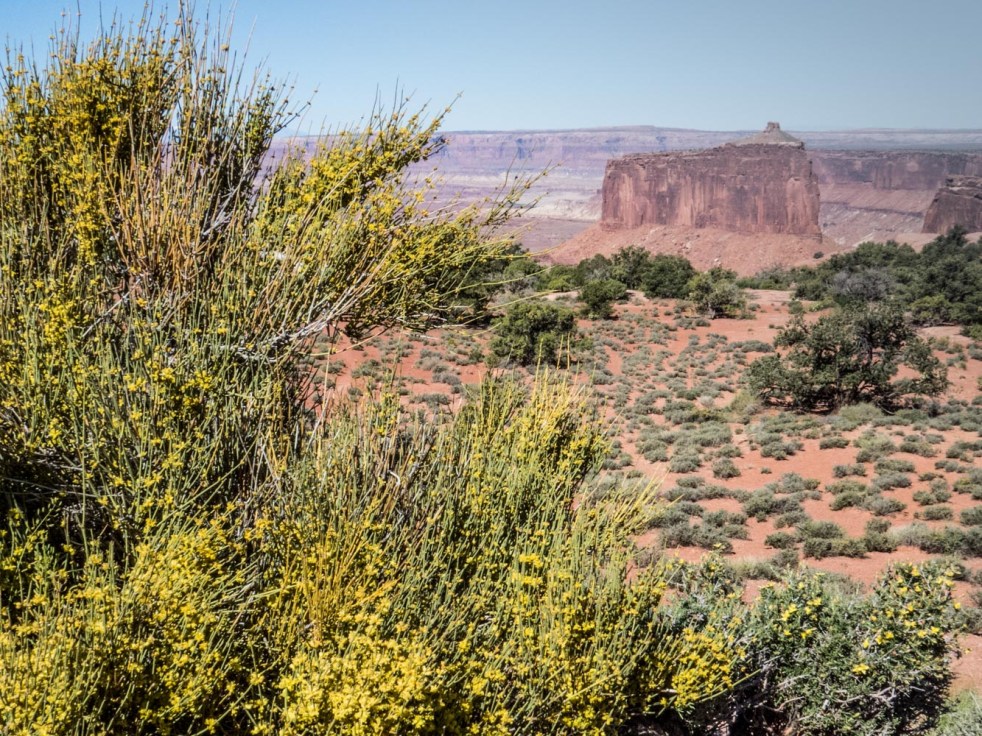
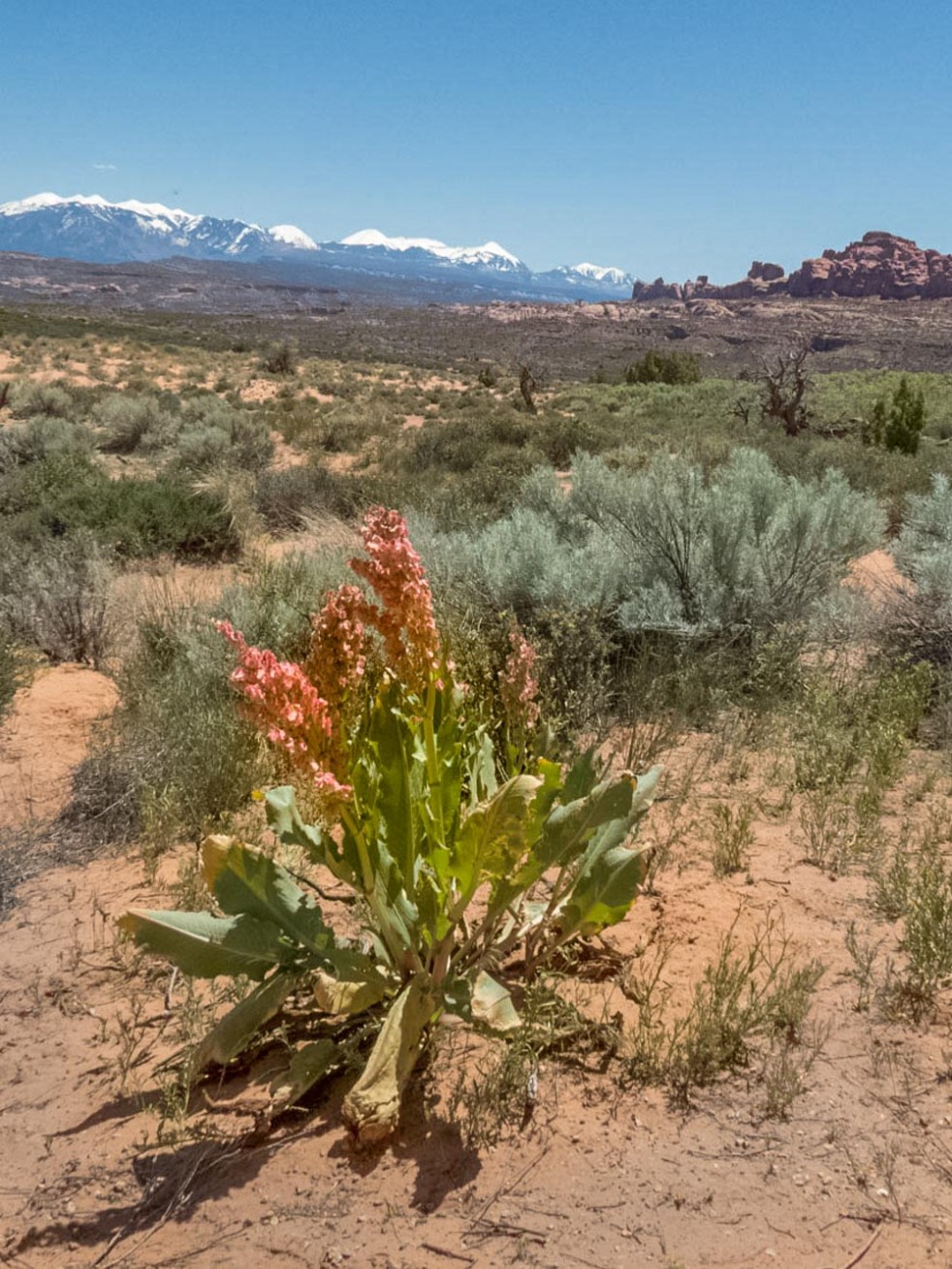


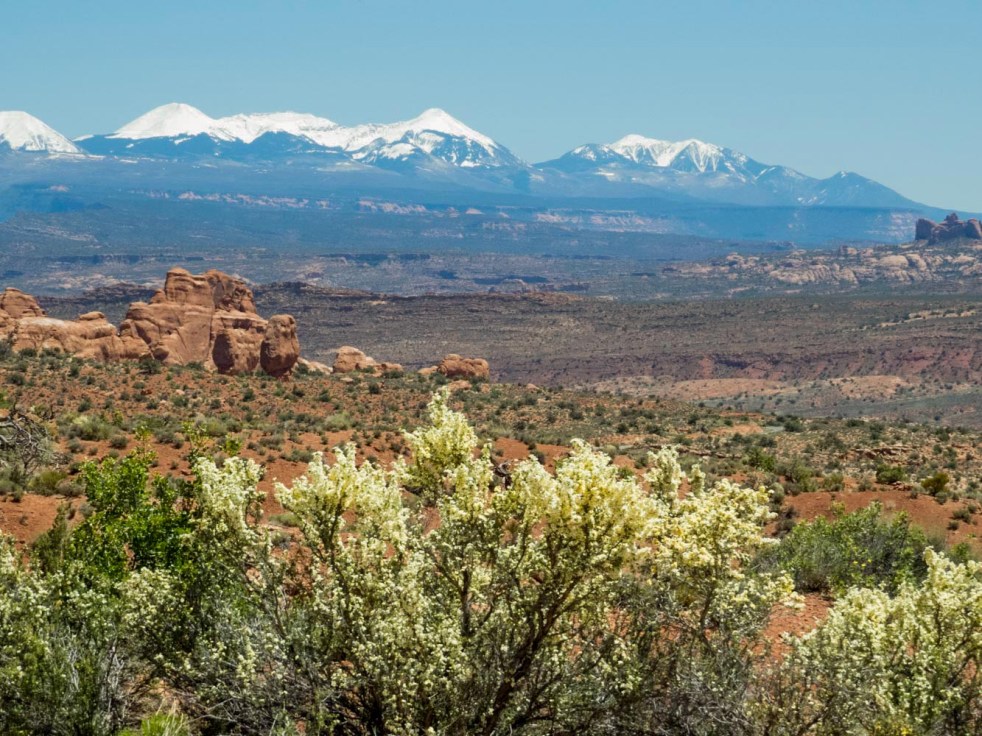

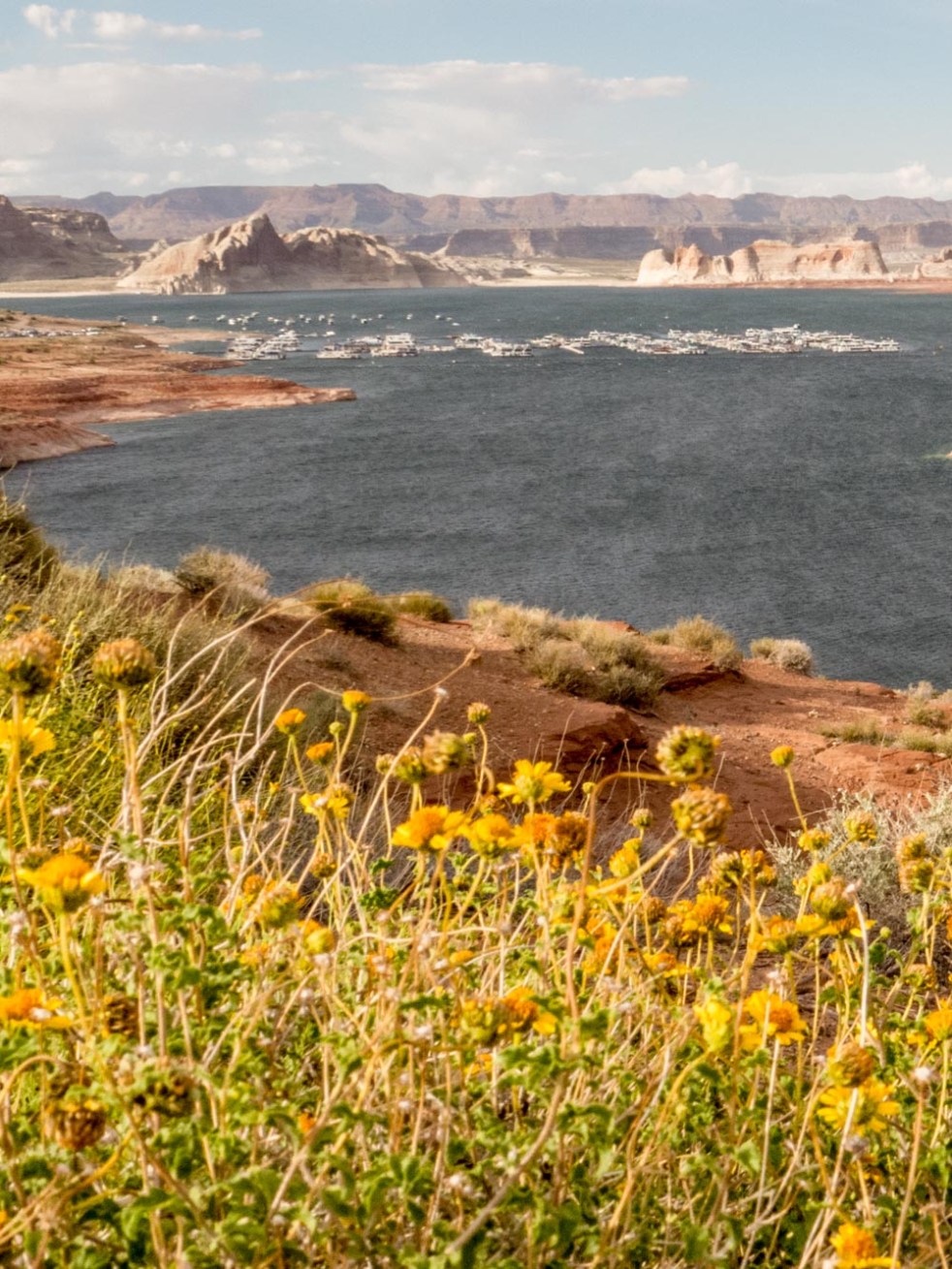


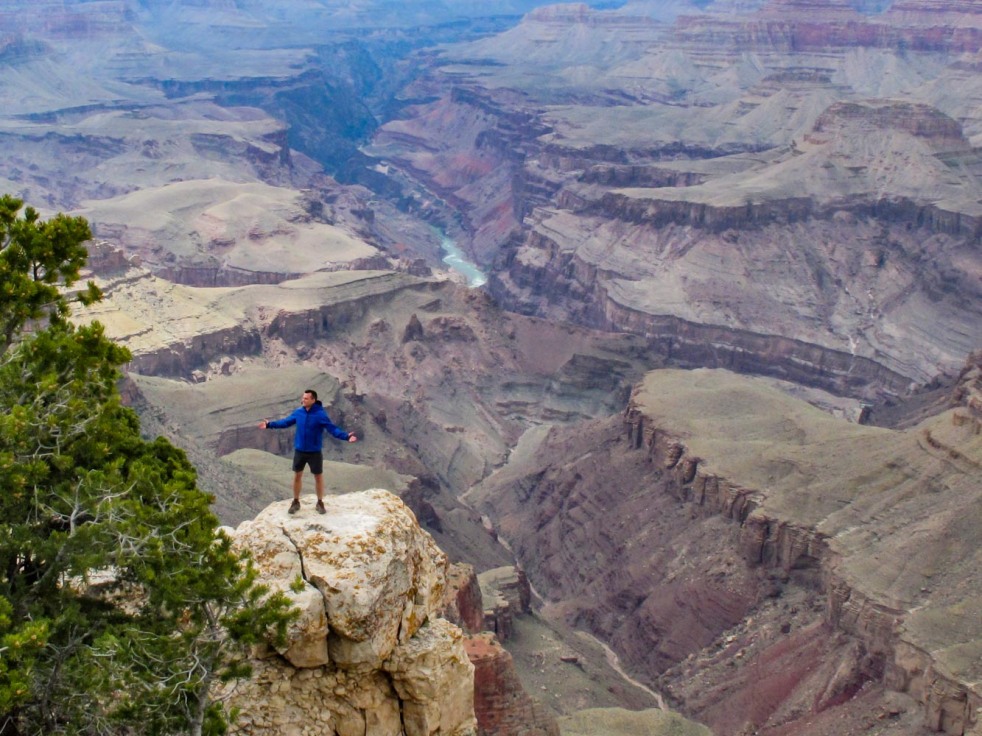


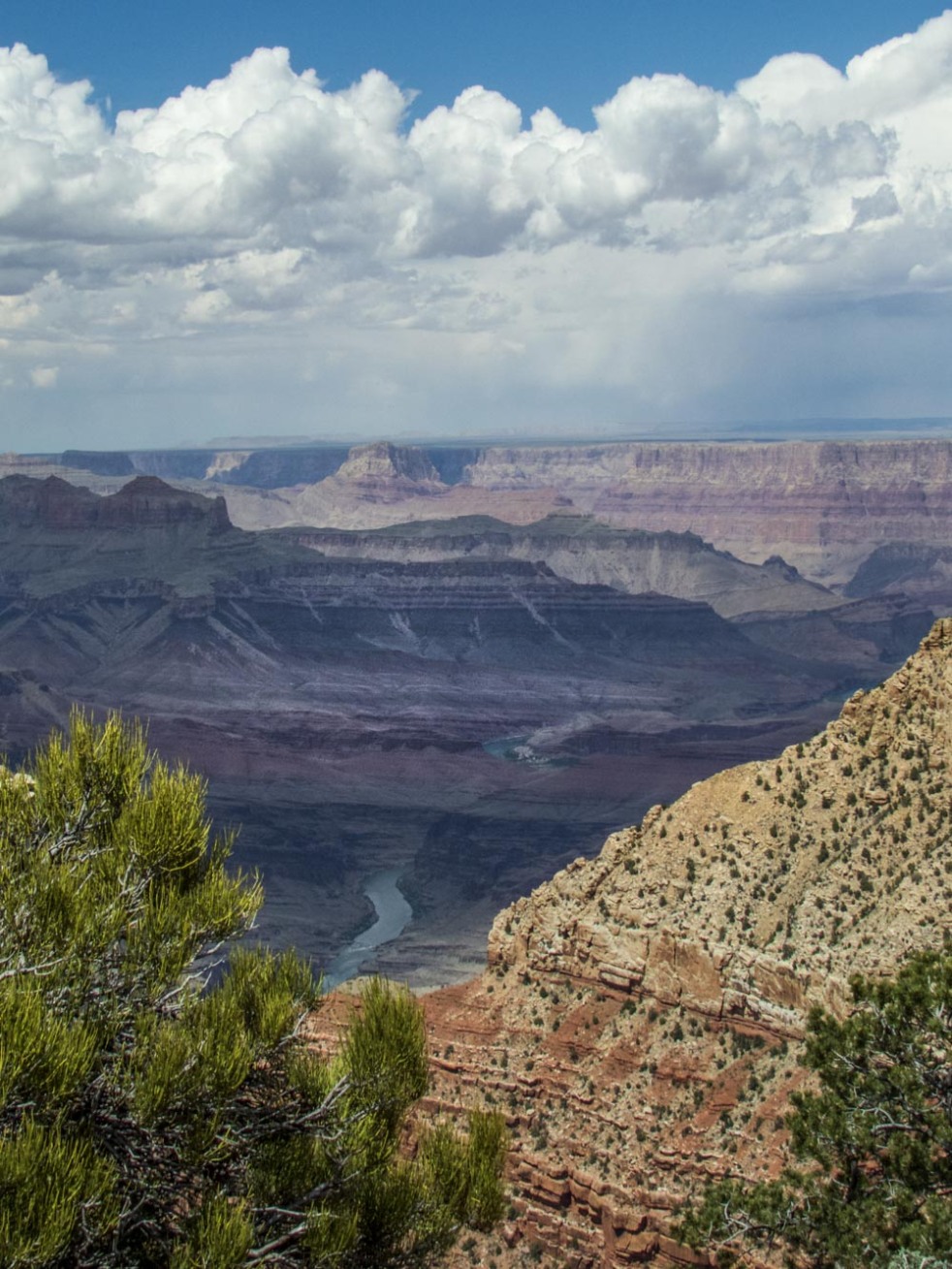
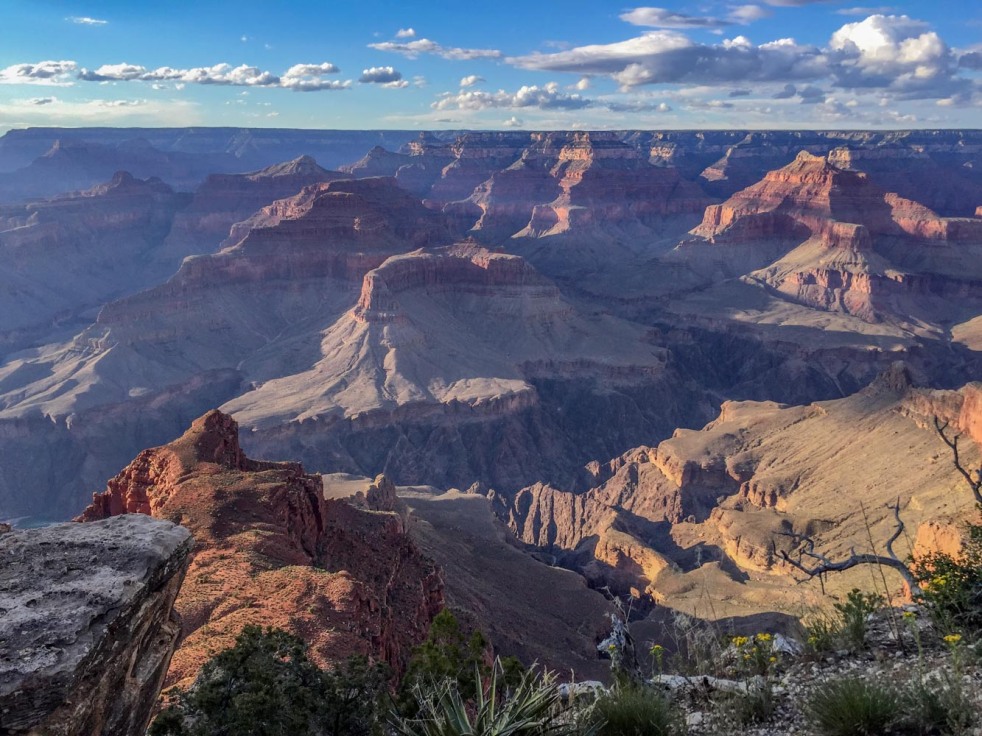


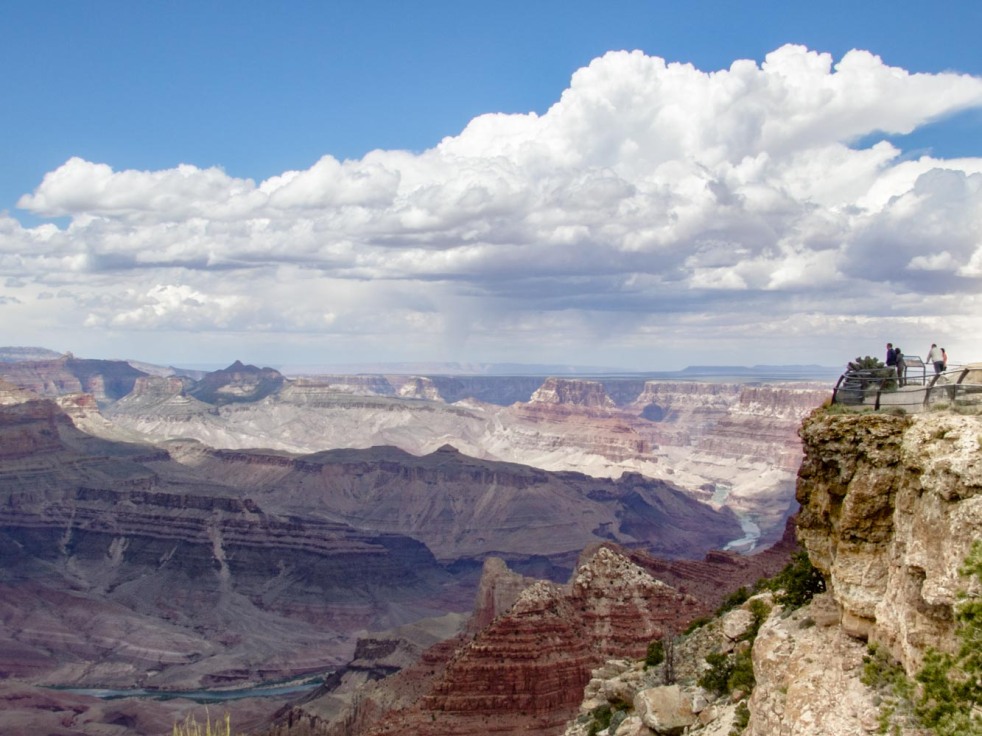
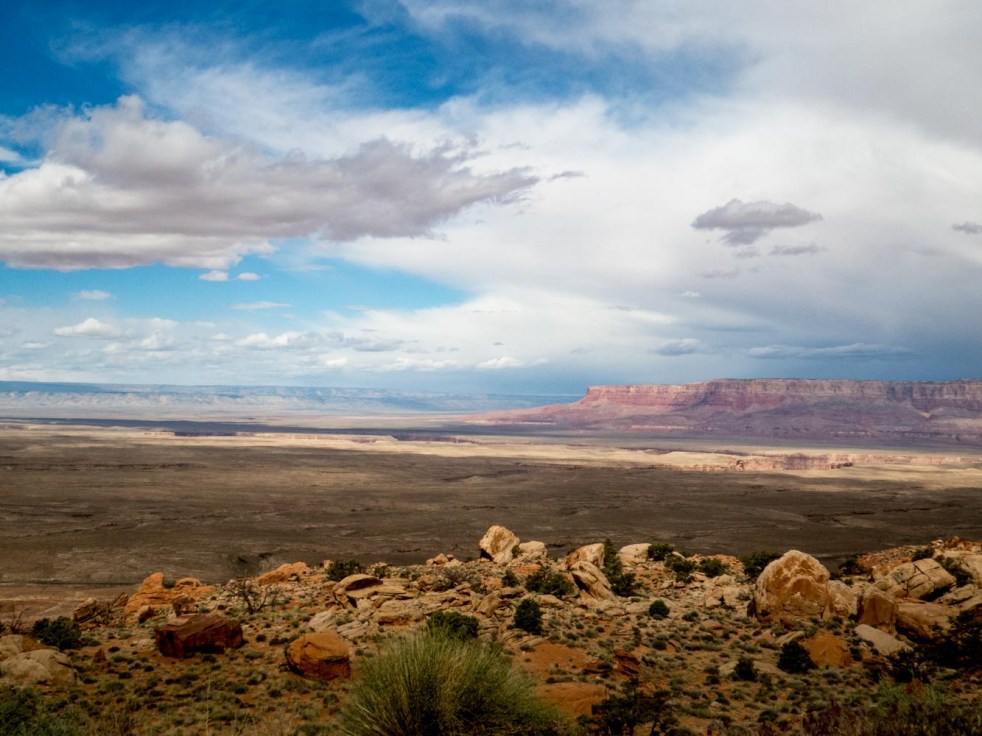
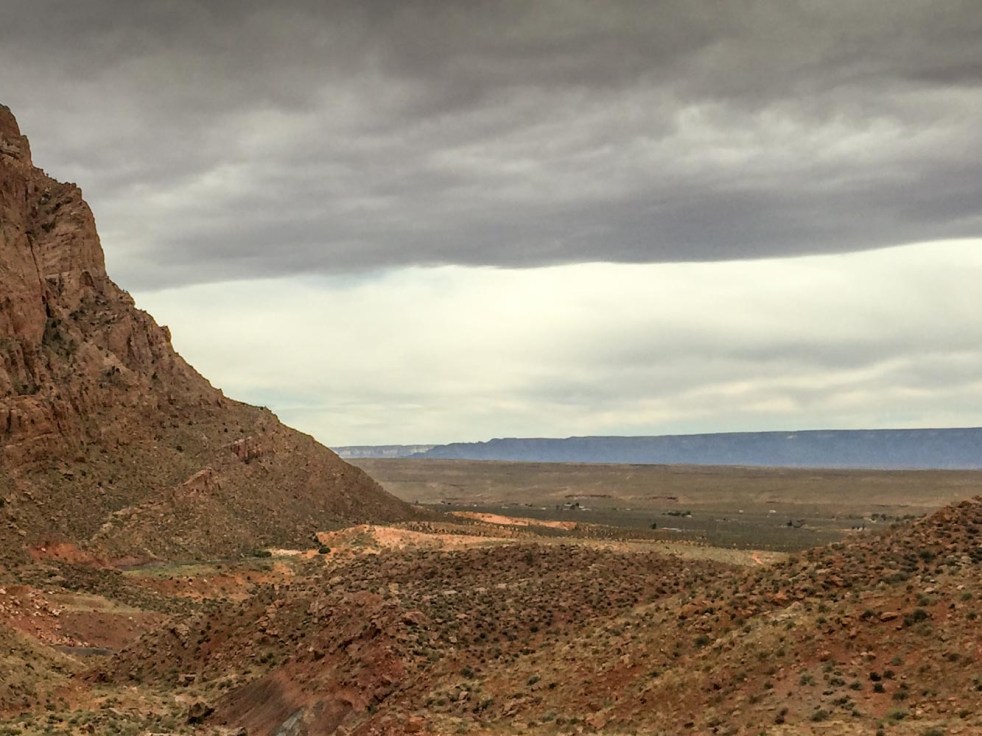


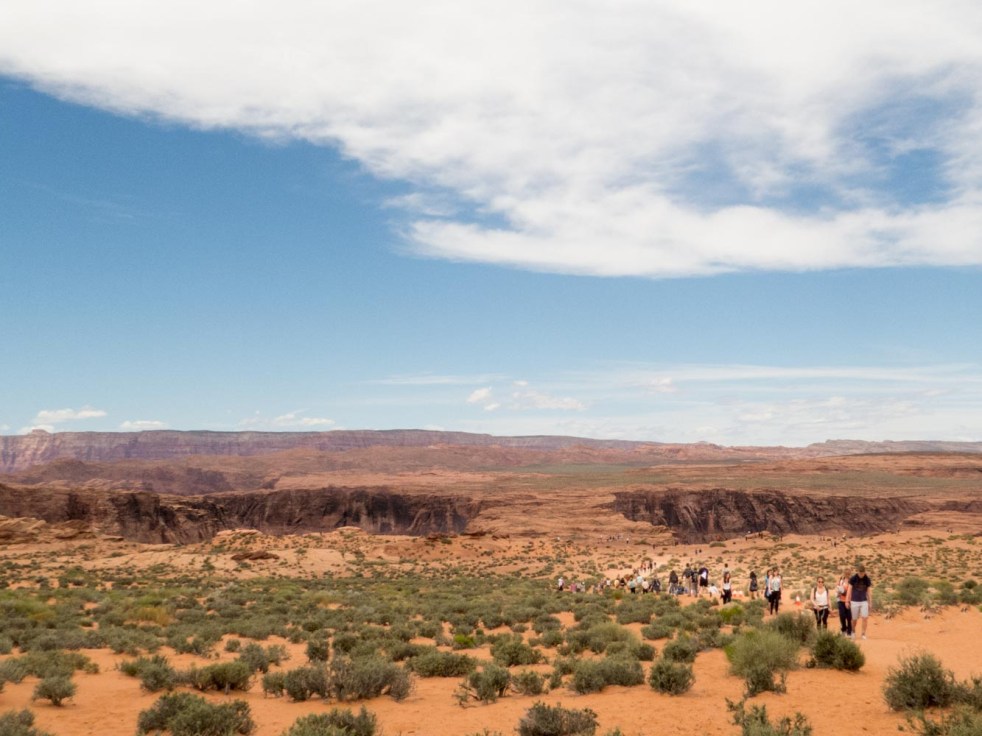

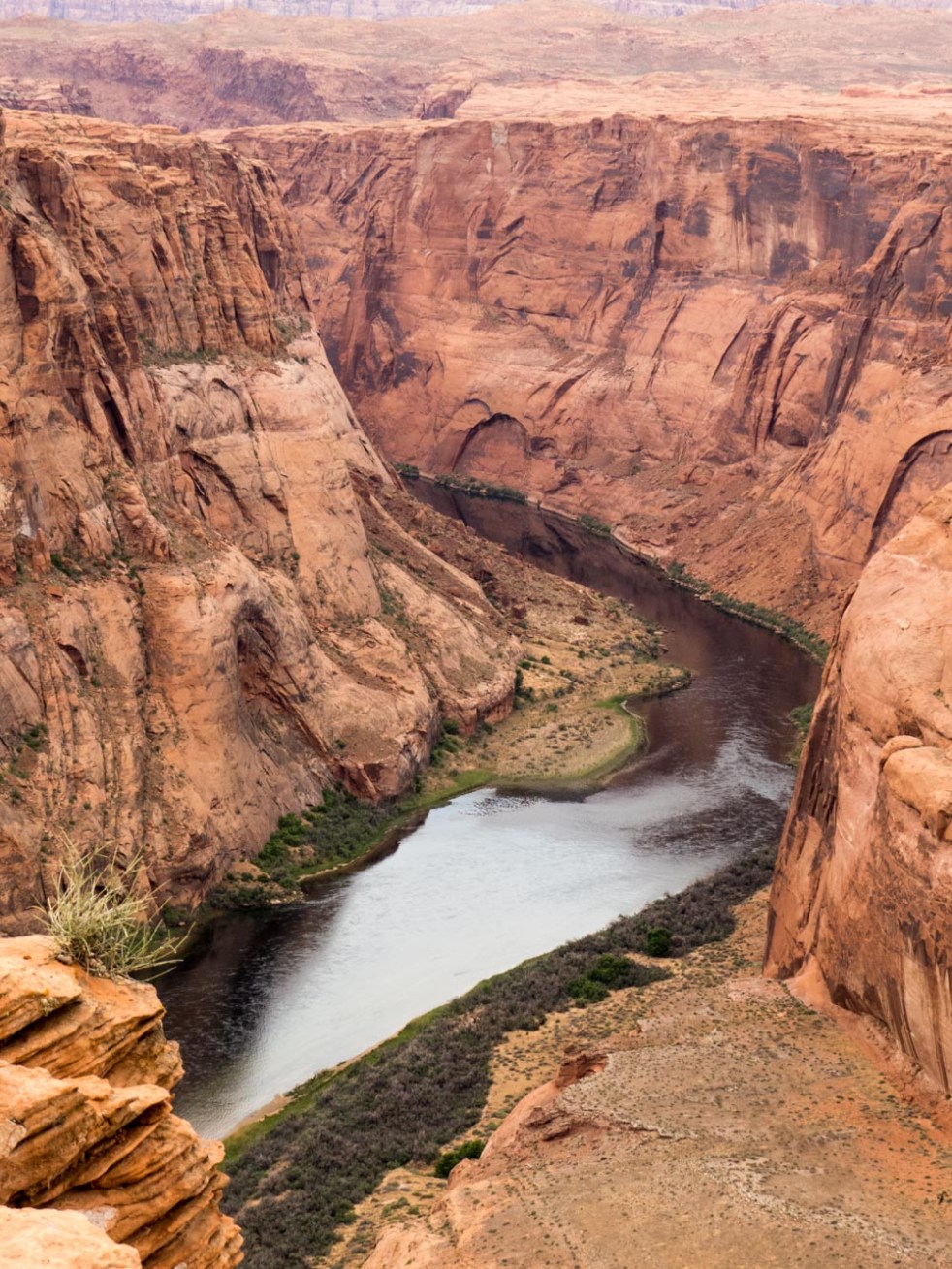

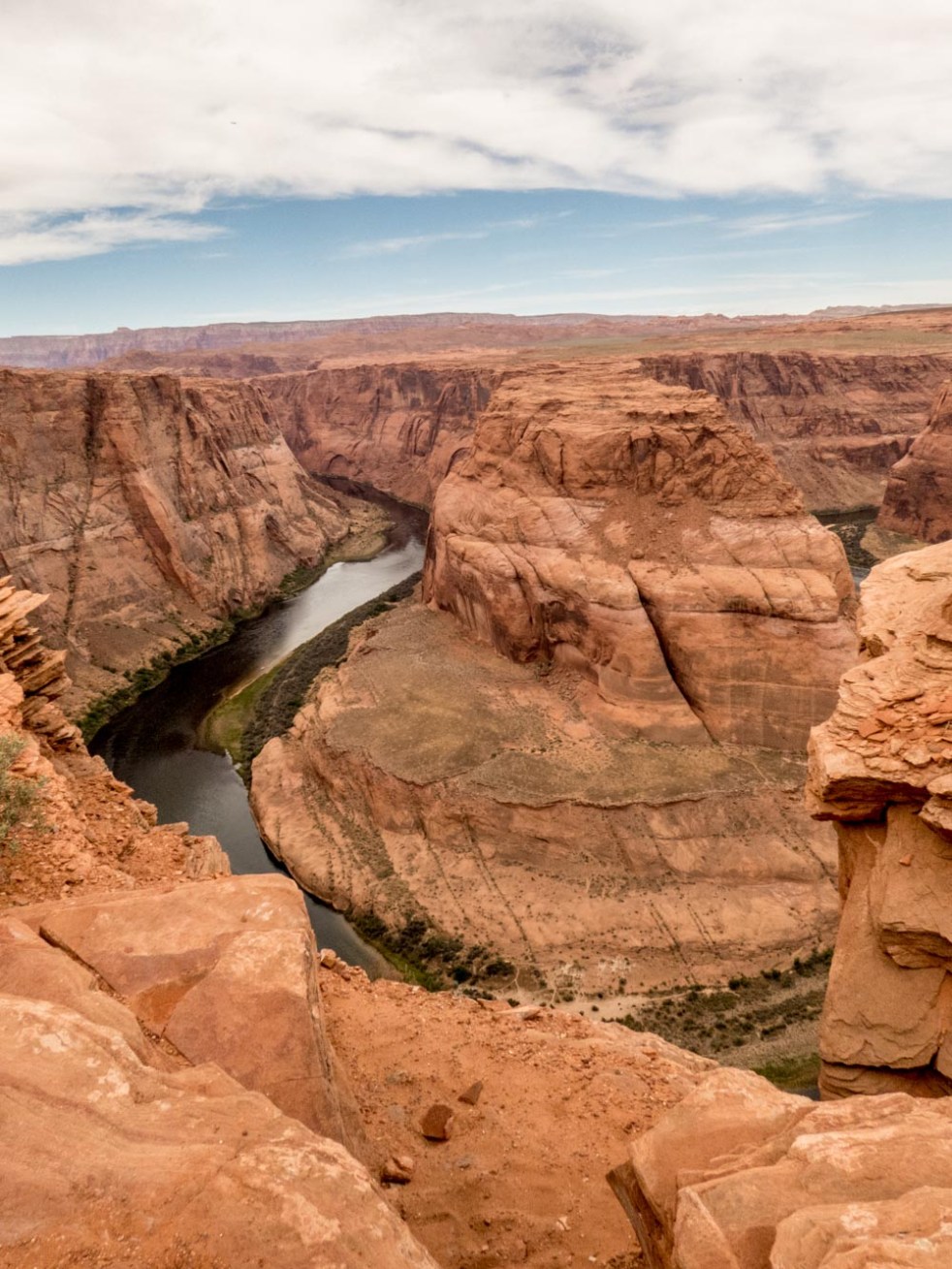
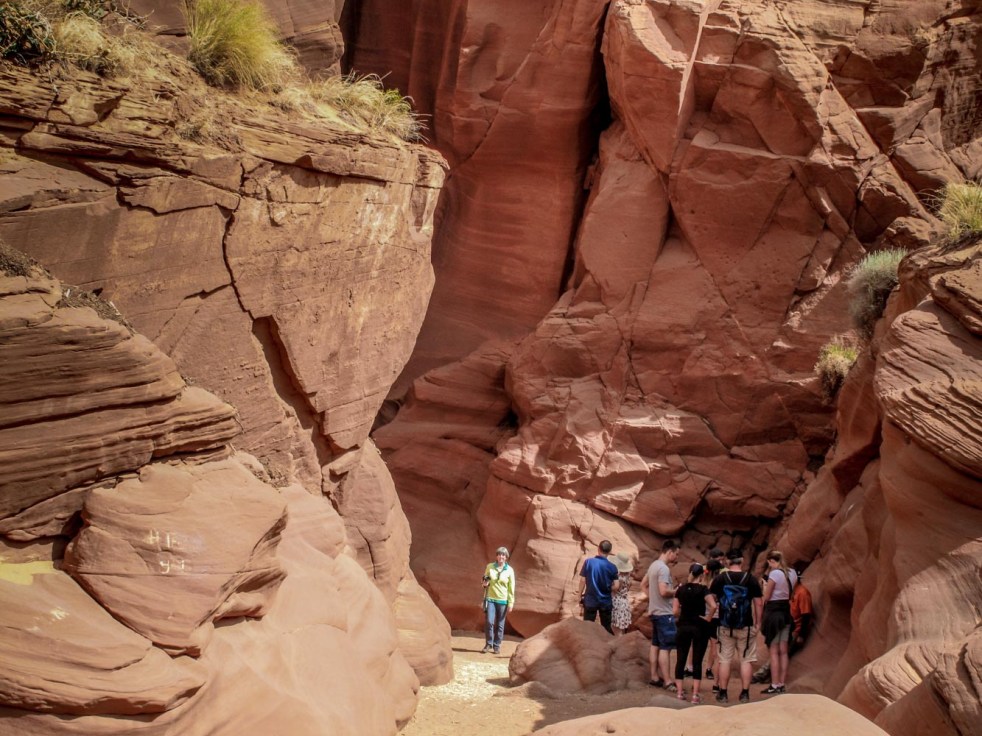
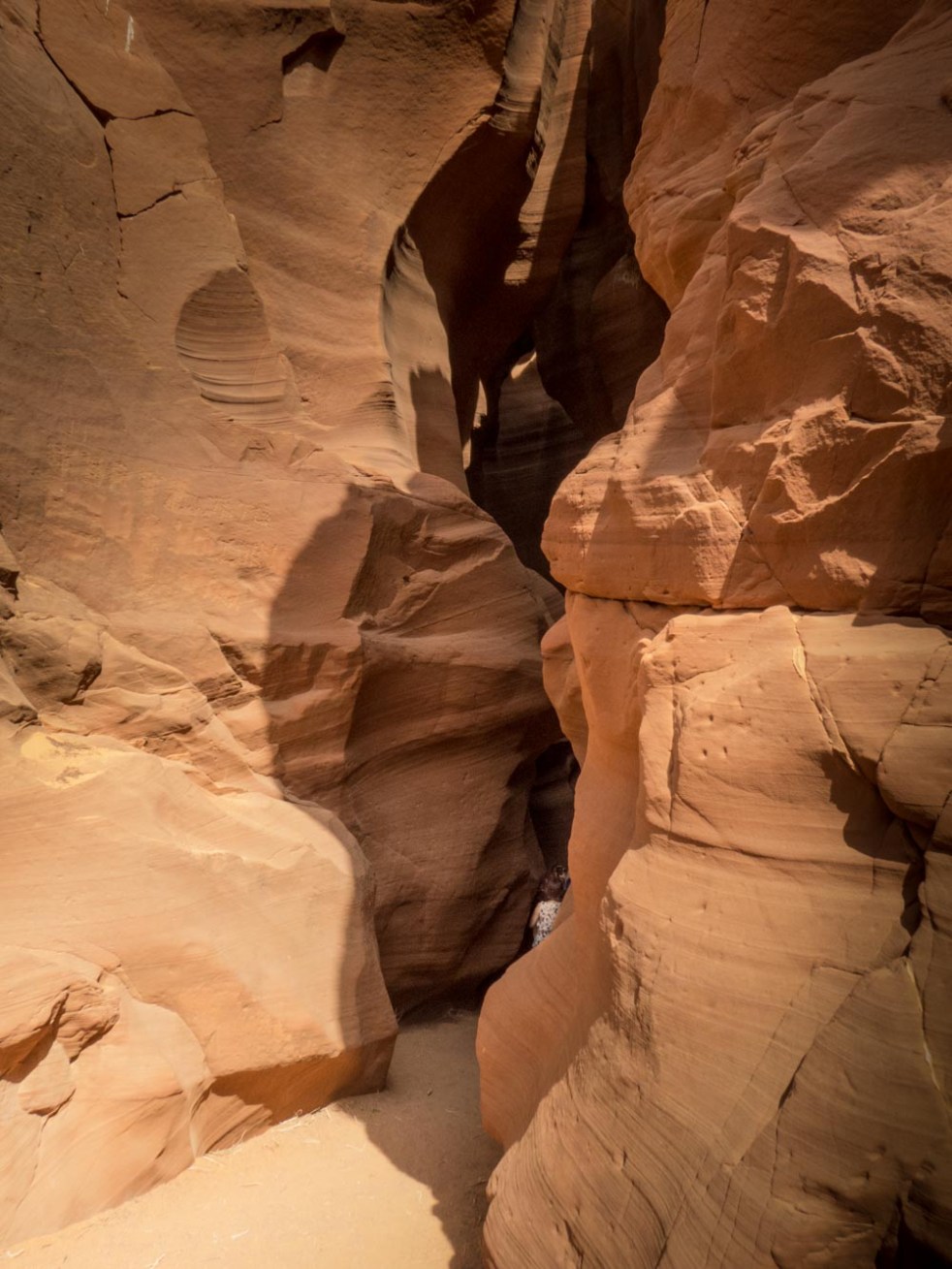
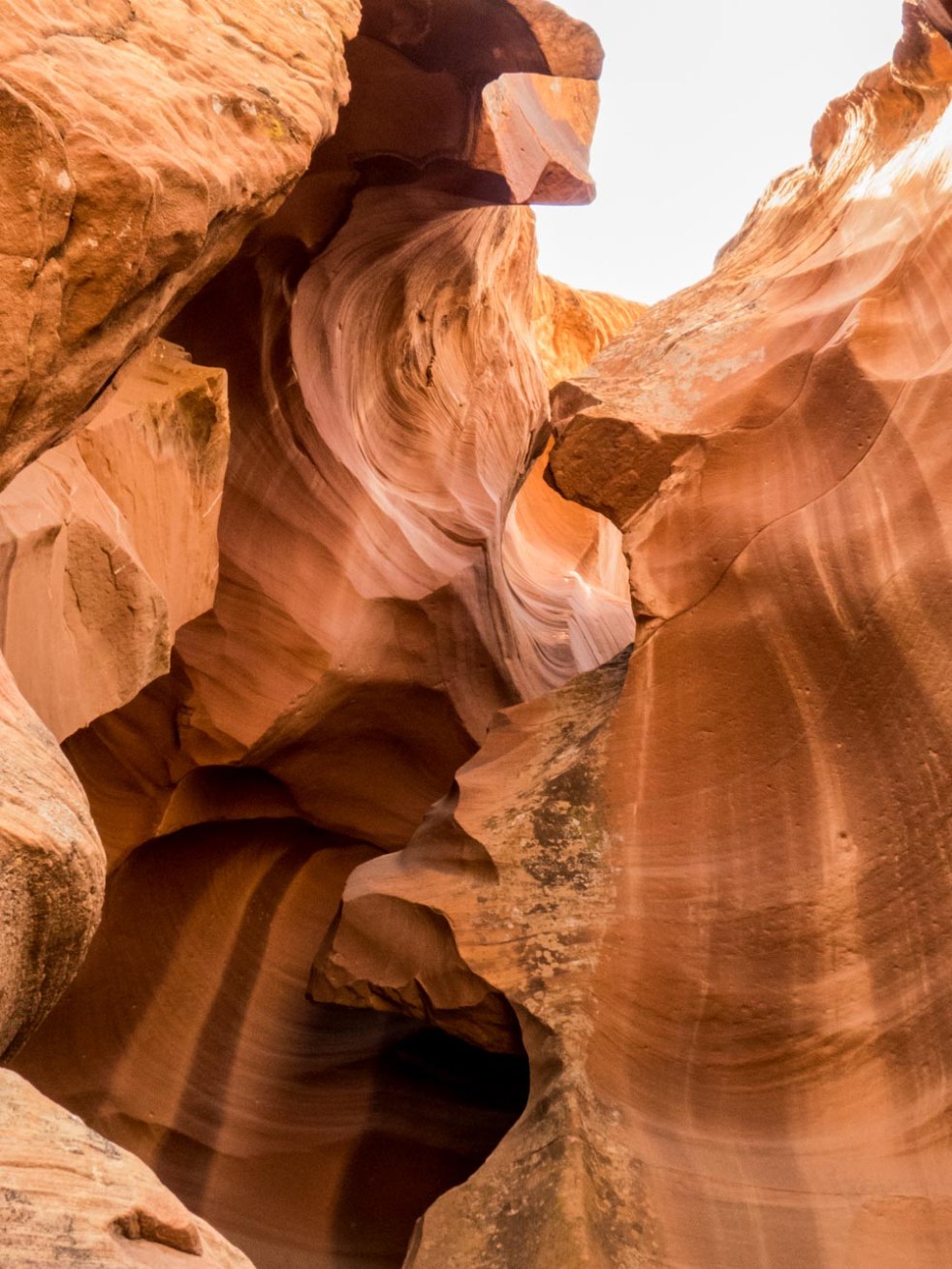

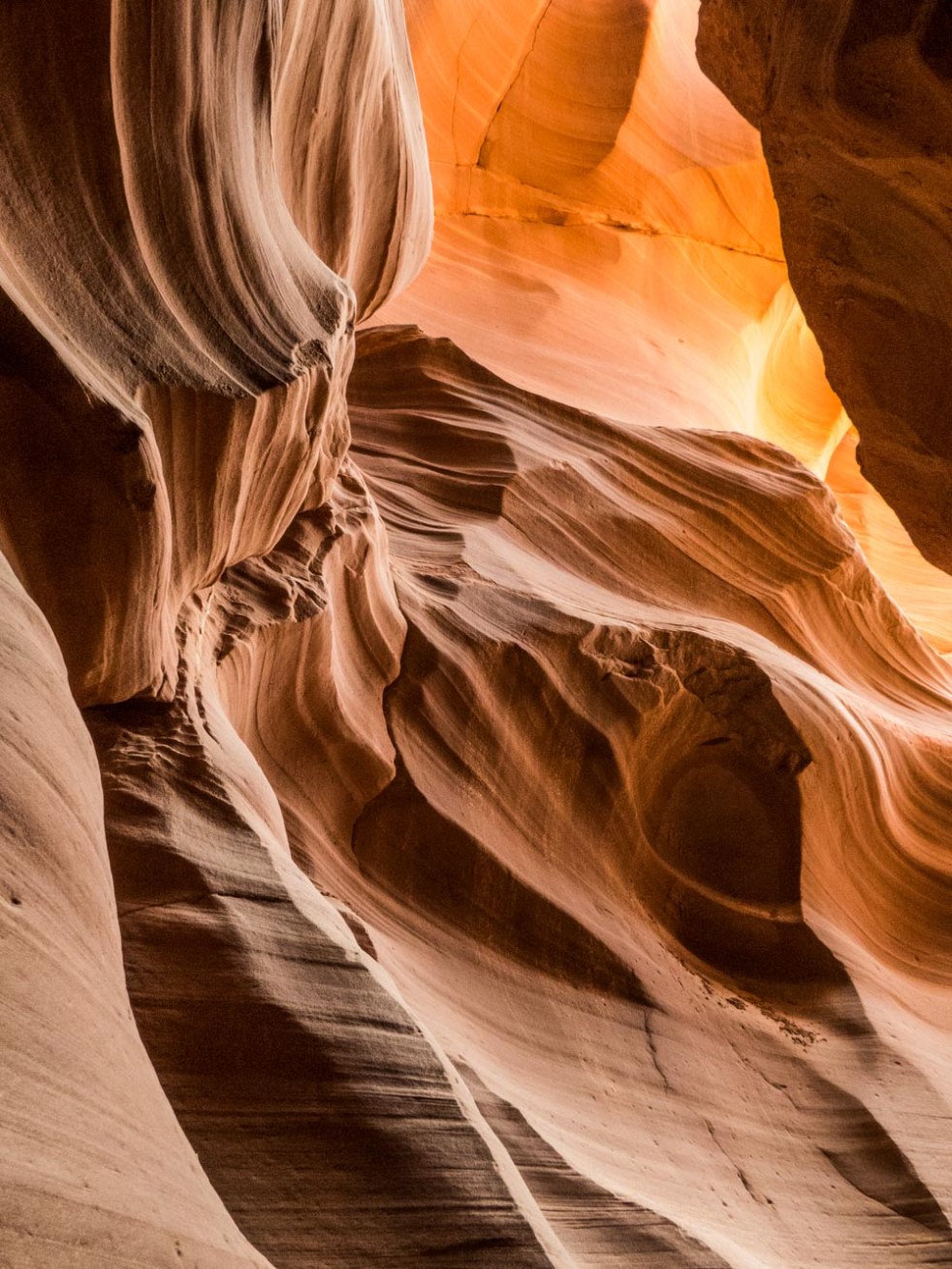
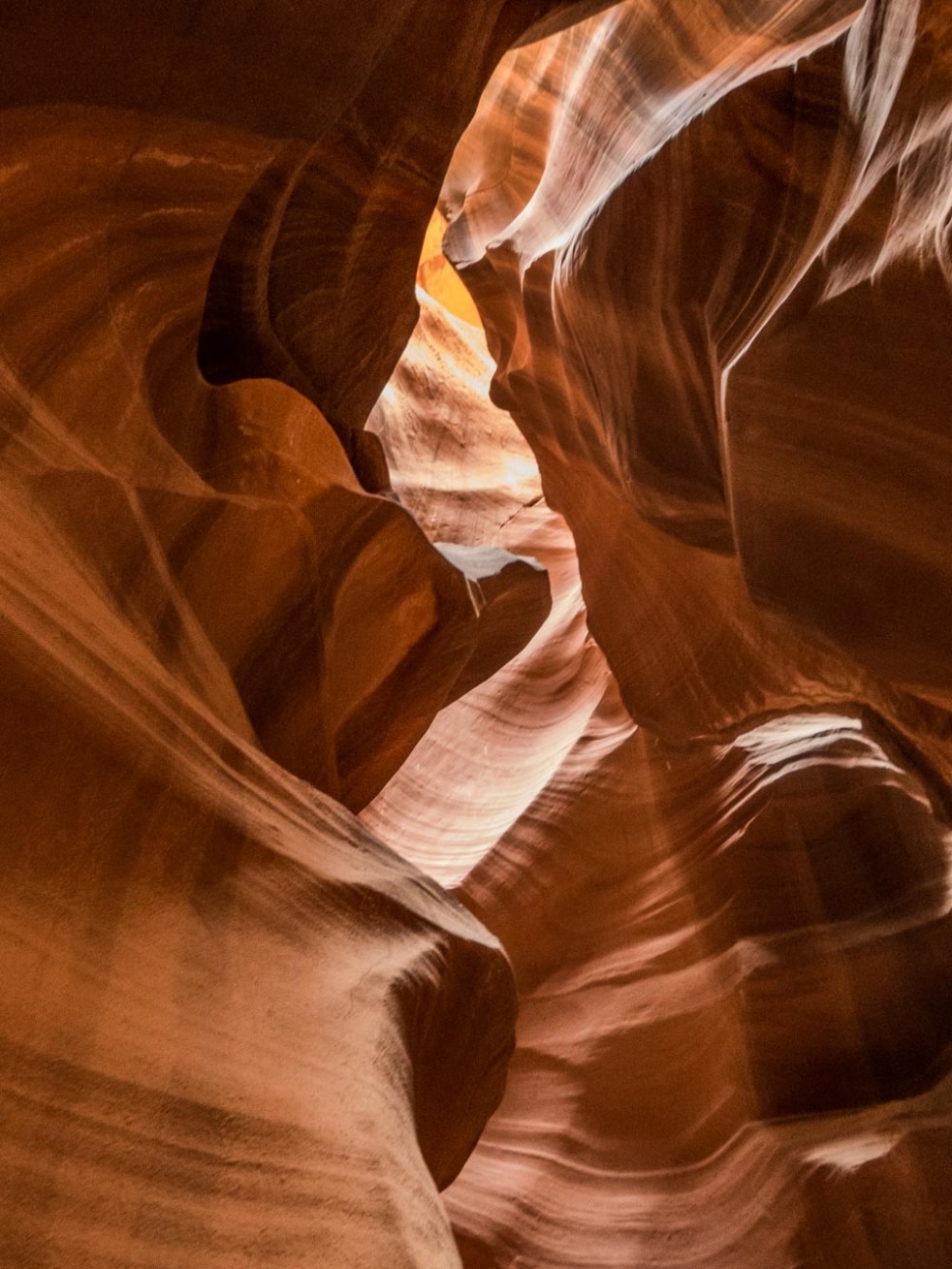
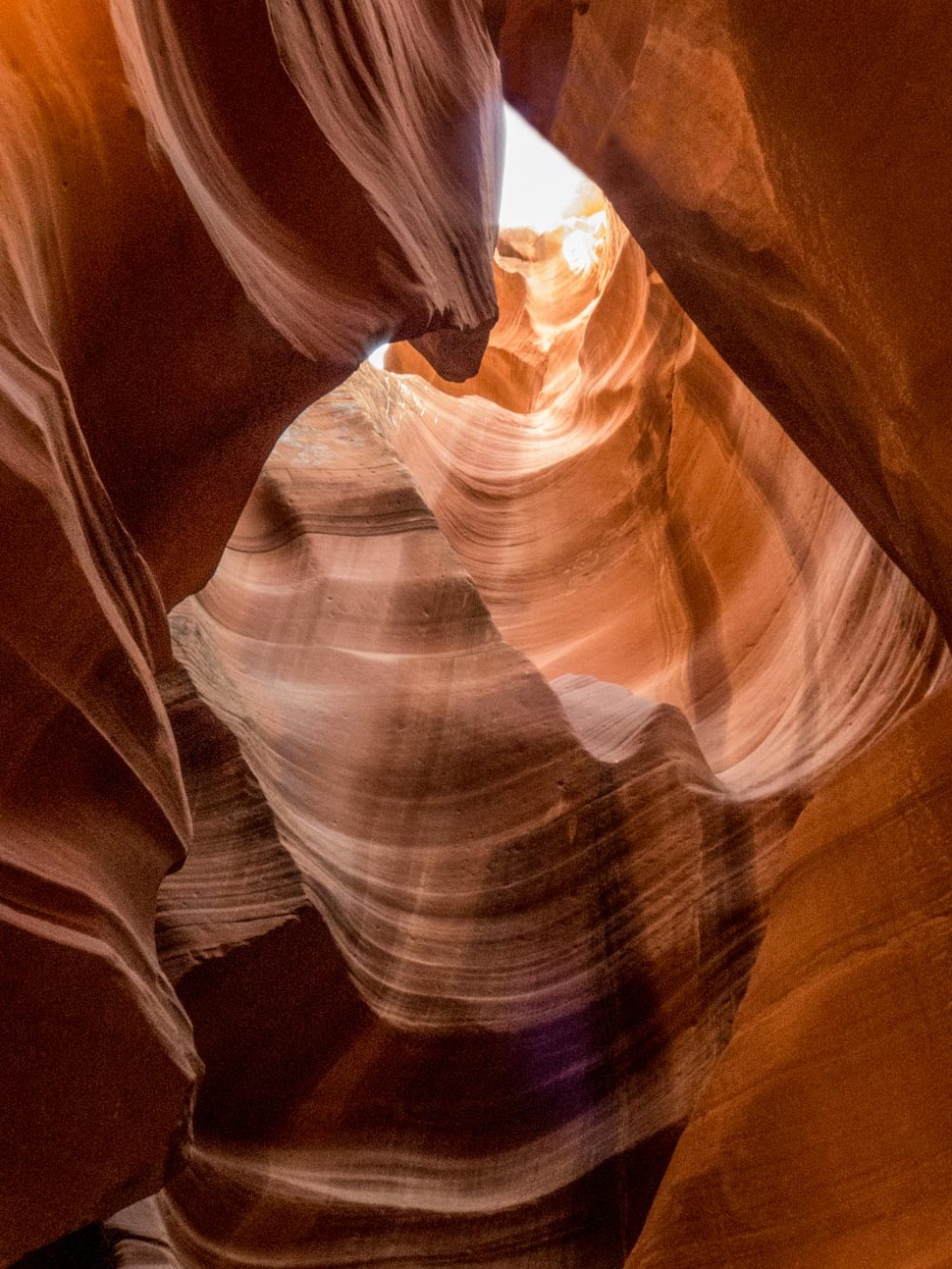

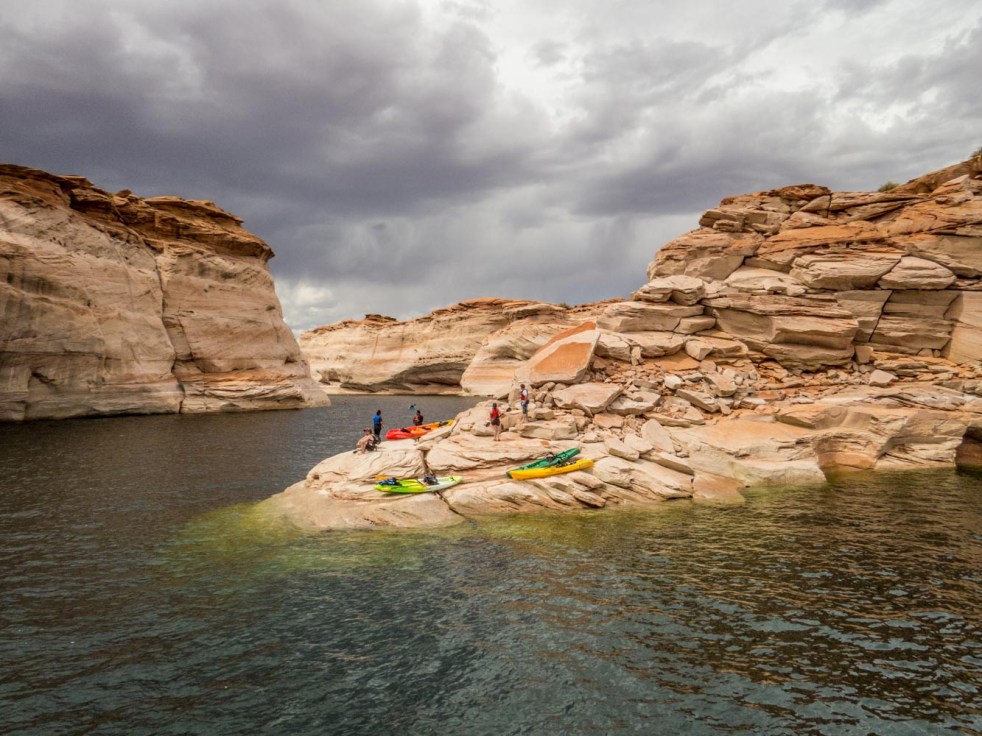
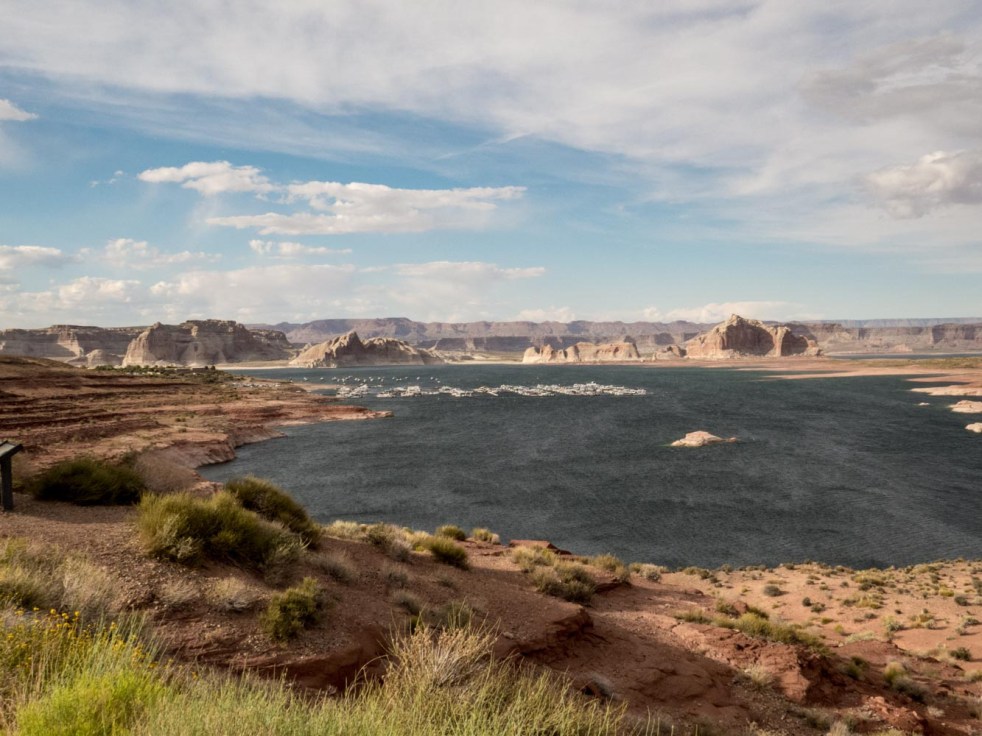
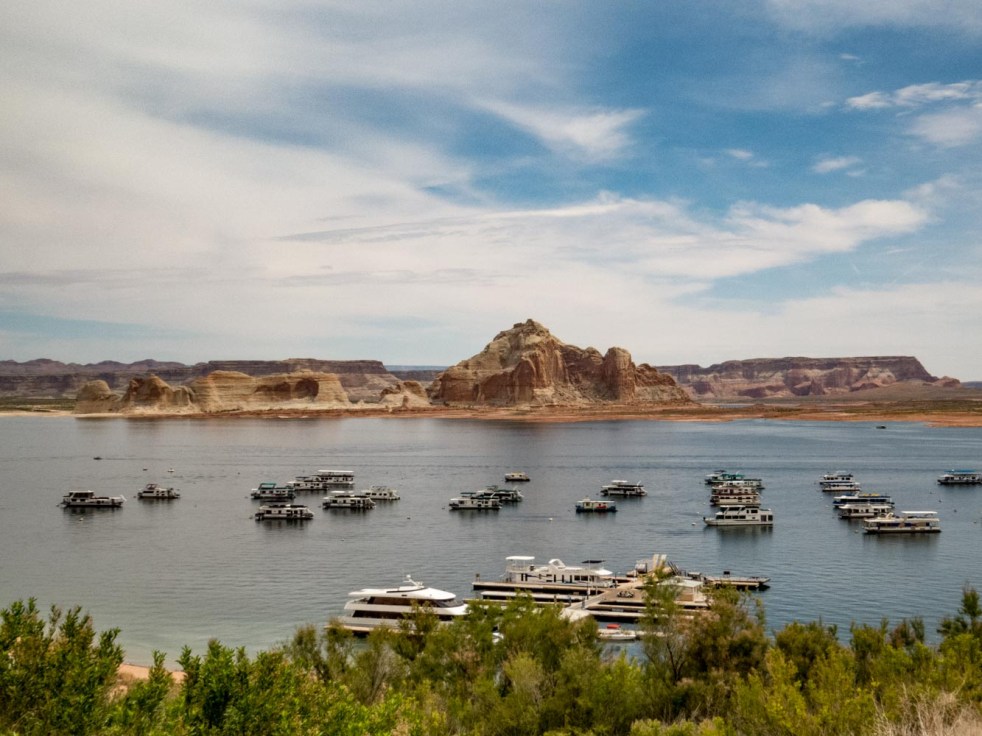 Yes, this is still our Arizona-Utah National Parks trip (will it ever end, you ask? Not quite yet..!) We changed our pace for several days in Page, AZ, enjoying Lake Powell and the Glen Canyon National Recreation area. After the desert landscapes of Utah, it was impossible not to be captured by the water. We opted for a boat cruise into narrow, winding Antelope Canyon to see its red and orange Navajo sandstone formations, and got caught in the rain you see threatening us. Kayakers in the canyon were also pummeled, which seems to be a price one pays for adventuring on the lake. The afternoon cleared into a beauty of an evening.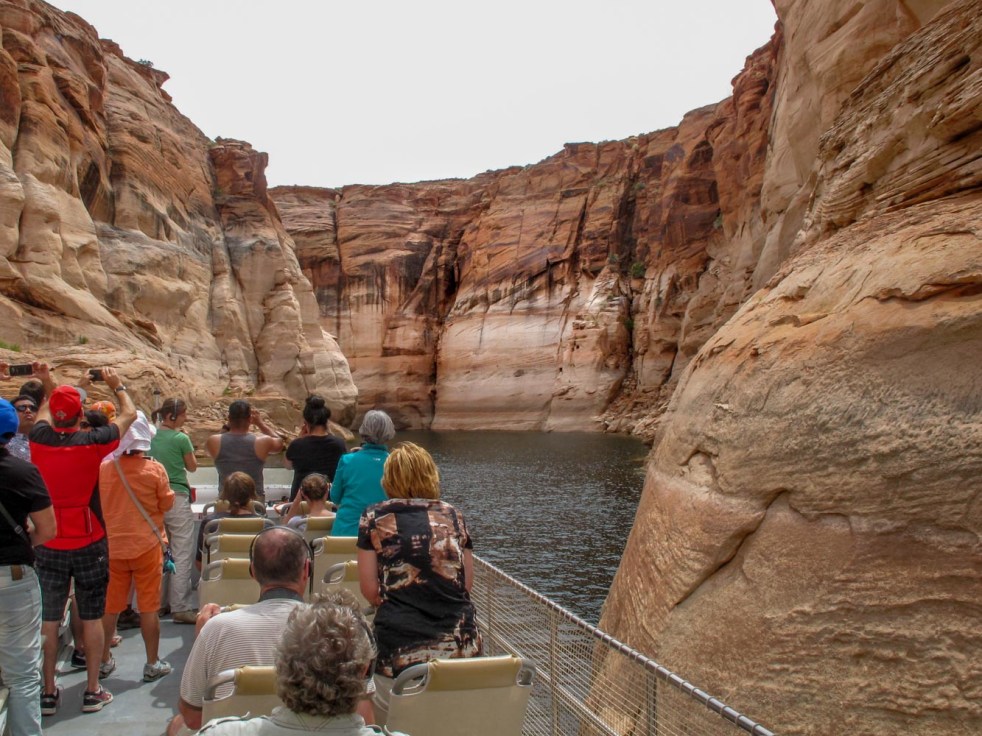



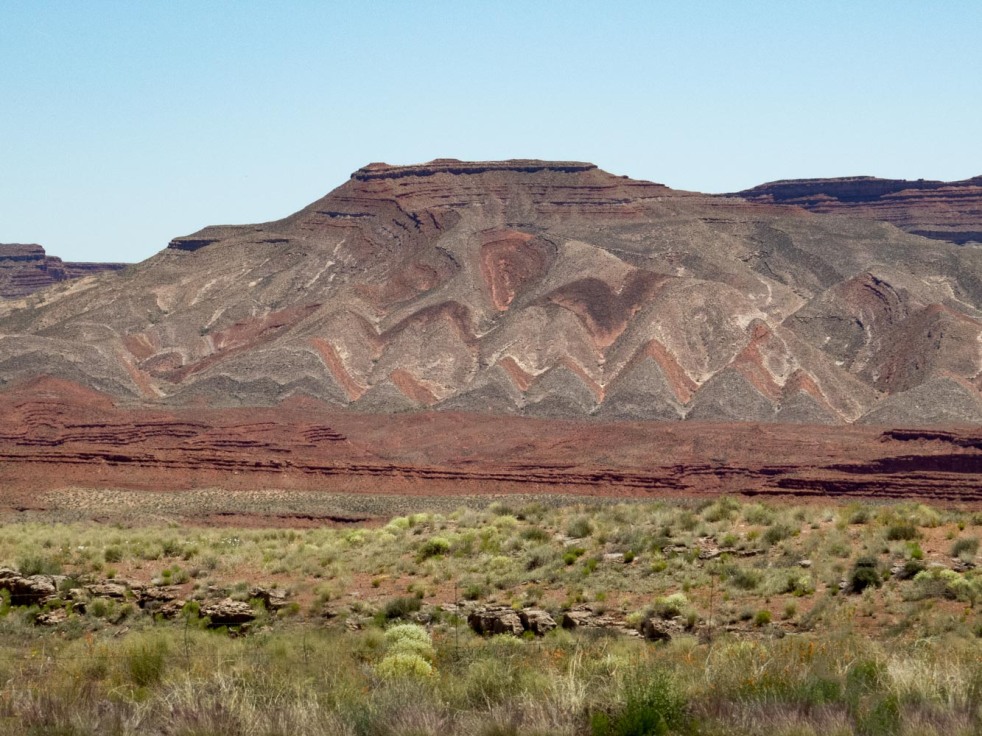
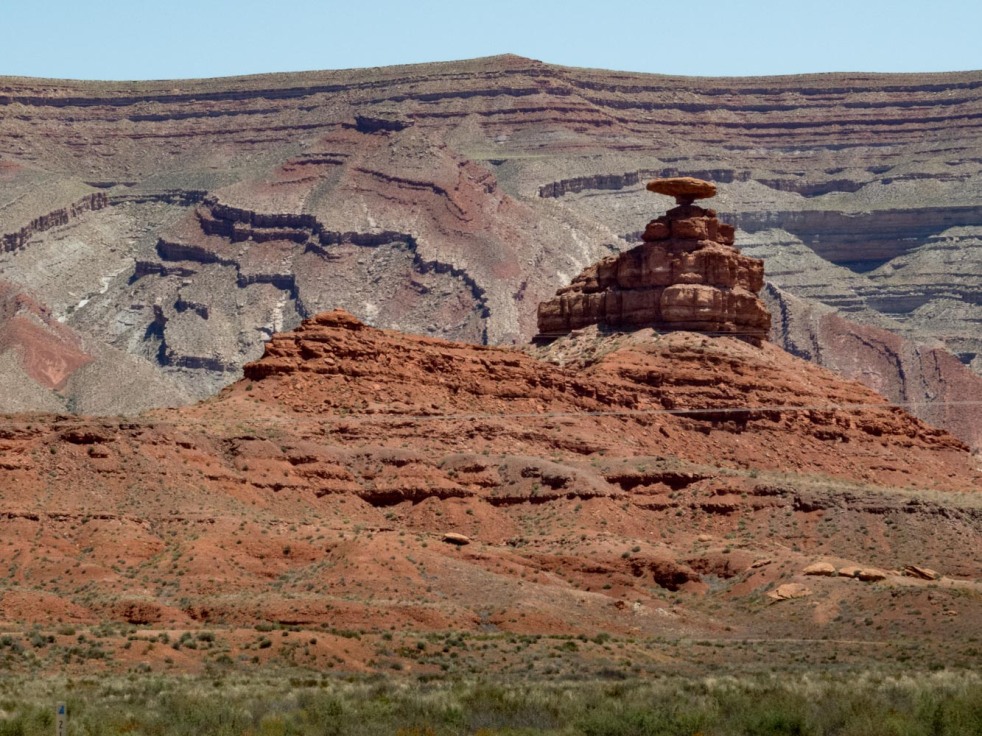
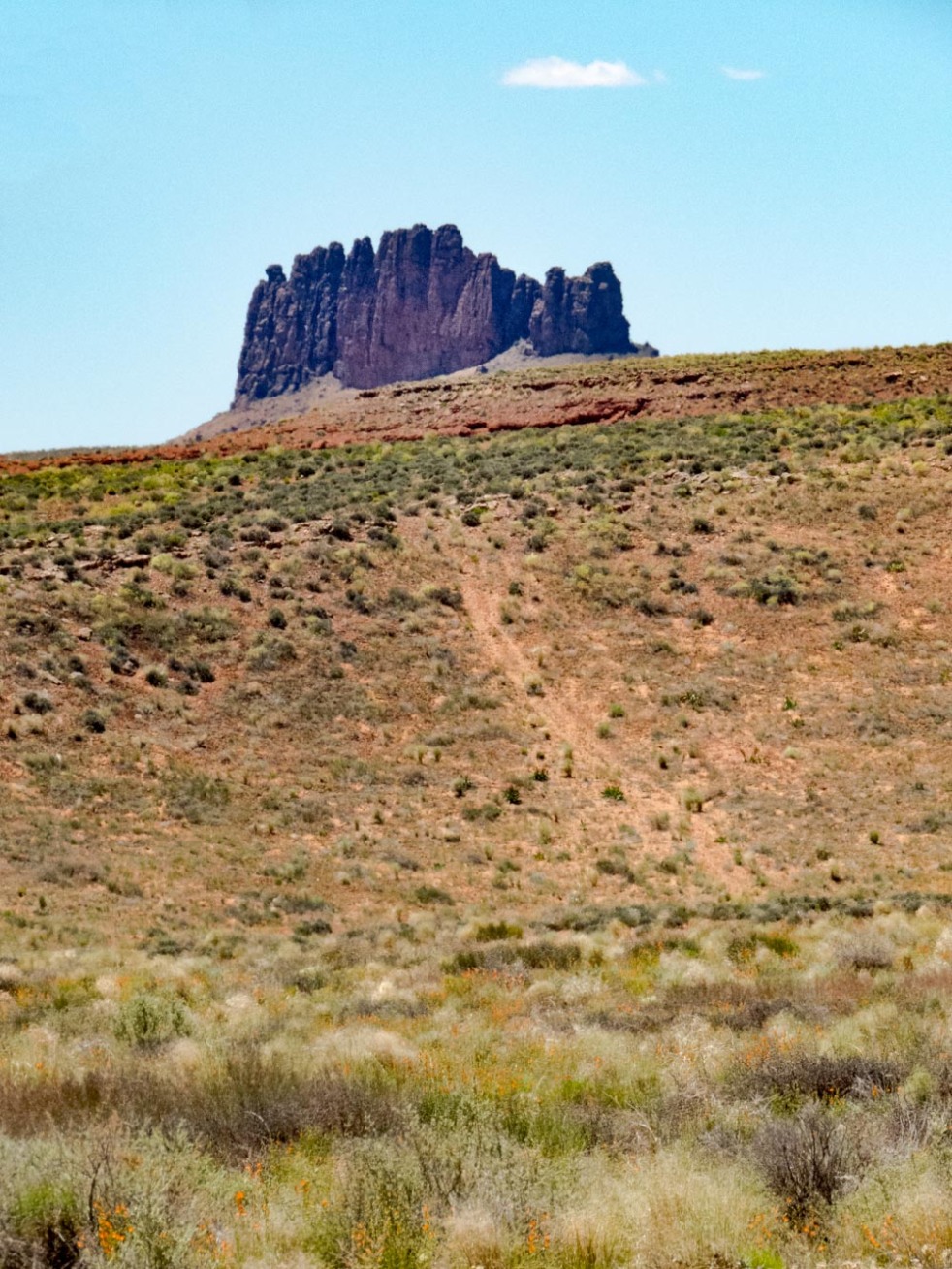
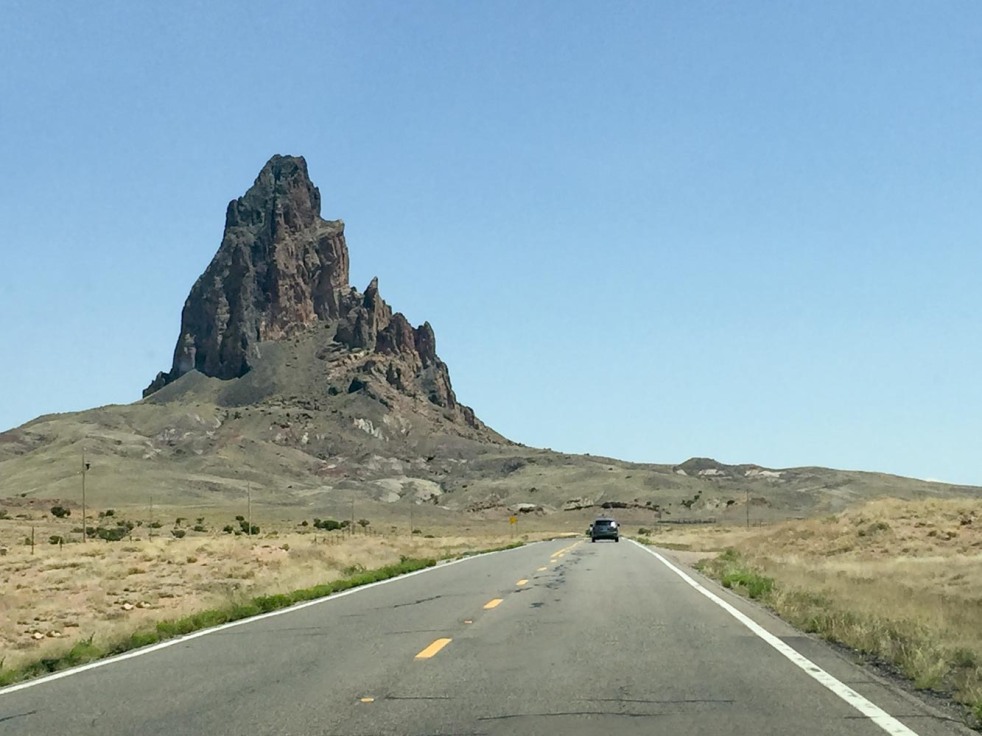
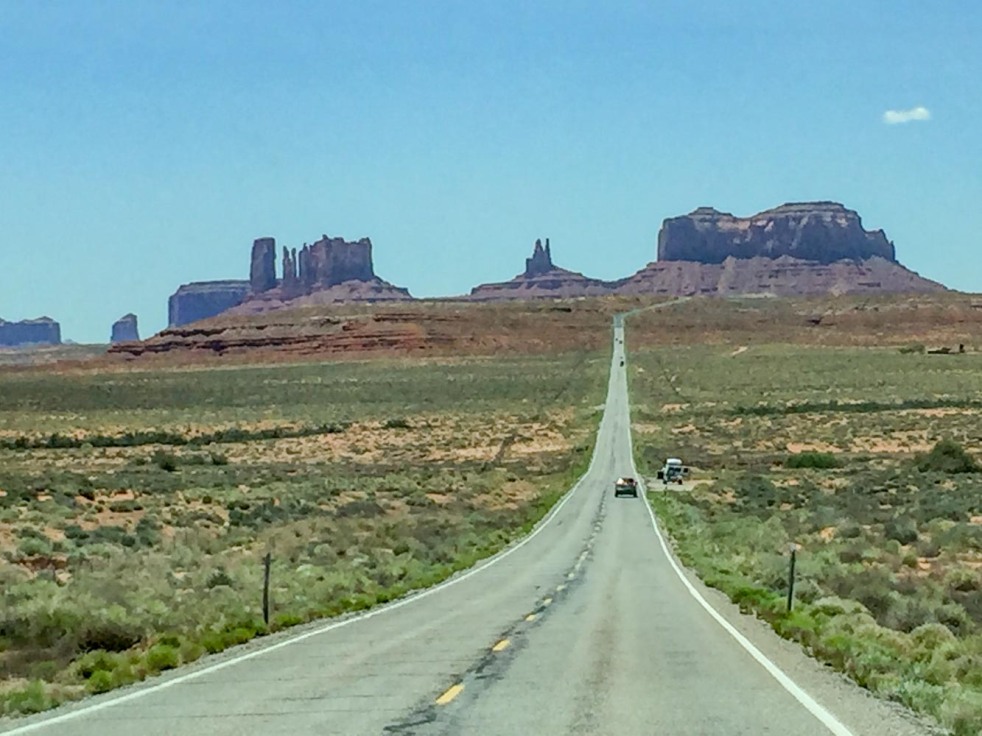 Growing up on the East Coast, the West I knew was brought to me by movies and television, which imprinted tall tales with wild scenery. The”deja vu” sensation surfaced the moment we entered the Navajo Nation Tribal Park, which crosses the Utah/Arizona state border. The area known as Monument Valley has been a favorite location for iconic westerns since director John Ford filmed “Stagecoach”there in 1939, and has continued to offer stunning backdrops for filmmakers and tourists alike. Are the monuments and earth colors purple? red? brown? orange? grey? green? Yes. We stopped often just to make sure we were seeing what we thought we were seeing.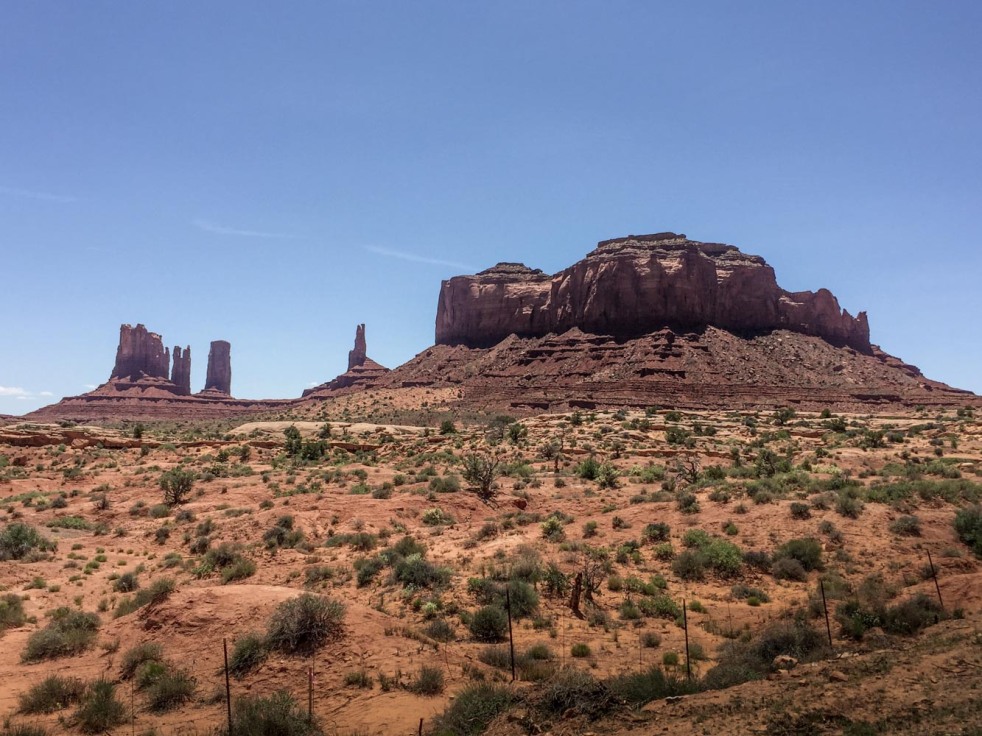

 My Time Too